Bharat Environment Program 2027
Bharat Environment Program 2027 is the flagship national mission of the Bharat Tri-Impact Network (BTIN), initiated by Research Heights Foundation, to mobilize higher education institutions, industry partners, government bodies, faculty, students, and youth volunteers for measurable climate and sustainability impact. Through a structured Campus–Industry–Community model, the mission will connect 5,000 campuses with 25,000 villages and communities through state chapters, anchor universities, industry partnerships, BEP Green Corps volunteers, sustainability dashboards, and evidence-based certification. BEP 2027 aims to build one of India’s largest higher-education-led sustainability action networks focused on Climate Action, Net Zero Readiness, Zero Waste, SDG Impact, and Viksit Bharat @2047
For Higher Education Institutions
Implement campus sustainability actions, student-led projects, audits, SDG evidence reporting, and participate in national recognition and ranking.
Explore HEI ParticipationFor State Anchor Institutions
Lead BEP 2027 implementation across your state by coordinating institutions, activities, reporting, and regional recognition.
Become a State AnchorFor Industry / CSR / ESG Partners
Support measurable sustainability projects across campuses and communities with impact documentation, ESG/BRSR-supportive reporting, and national visibility.
Explore Industry PartnershipFor Knowledge Partners
Contribute technical expertise, training, frameworks, mentoring, and evaluation support for national-scale sustainability action.
Become a Knowledge PartnerBuilding a Campus-Led Climate Action Backbone for Sustainable Bharat
The next leap in climate action will come from institutions that can educate, implement, measure, innovate, and scale. BEP 2027 converts this potential into a structured national mission connecting campuses, industry, and communities.
- ✓ Aligned with SDG 7, SDG 9, SDG 11, SDG 12, SDG 13, SDG 15, SDG 17 and Viksit Bharat @2047 priorities
- ✓ Powered by institutional leadership, youth participation and community outreach
- ✓ Strengthened through industry, CSR, ESG and knowledge partnerships
- ✓ Documented through dashboards, reports, recognitions and model stories
A National Action Platform for Climate-Ready Campuses and Sustainable Communities
BEP 2027 turns sustainability into a structured implementation model — with leadership, baseline assessment, campus action, evidence reporting, recognition, and scalable state-level impact.
Climate Action Leadership
Climate literacy, mitigation, adaptation awareness, risk readiness and youth-led action become visible across campuses and communities.
Net Zero Readiness
Energy efficiency, solar readiness, carbon footprint awareness and transition planning become practical, evidence-linked action models.
Zero Waste Systems
Segregation, composting, recycling, circular practices, plastic reduction and responsible consumption become measurable Campus and community models.
Evidence-Led Impact
Dashboards, baseline snapshots, reports, metrics, case stories and annual documentation convert participation into credible outcomes.
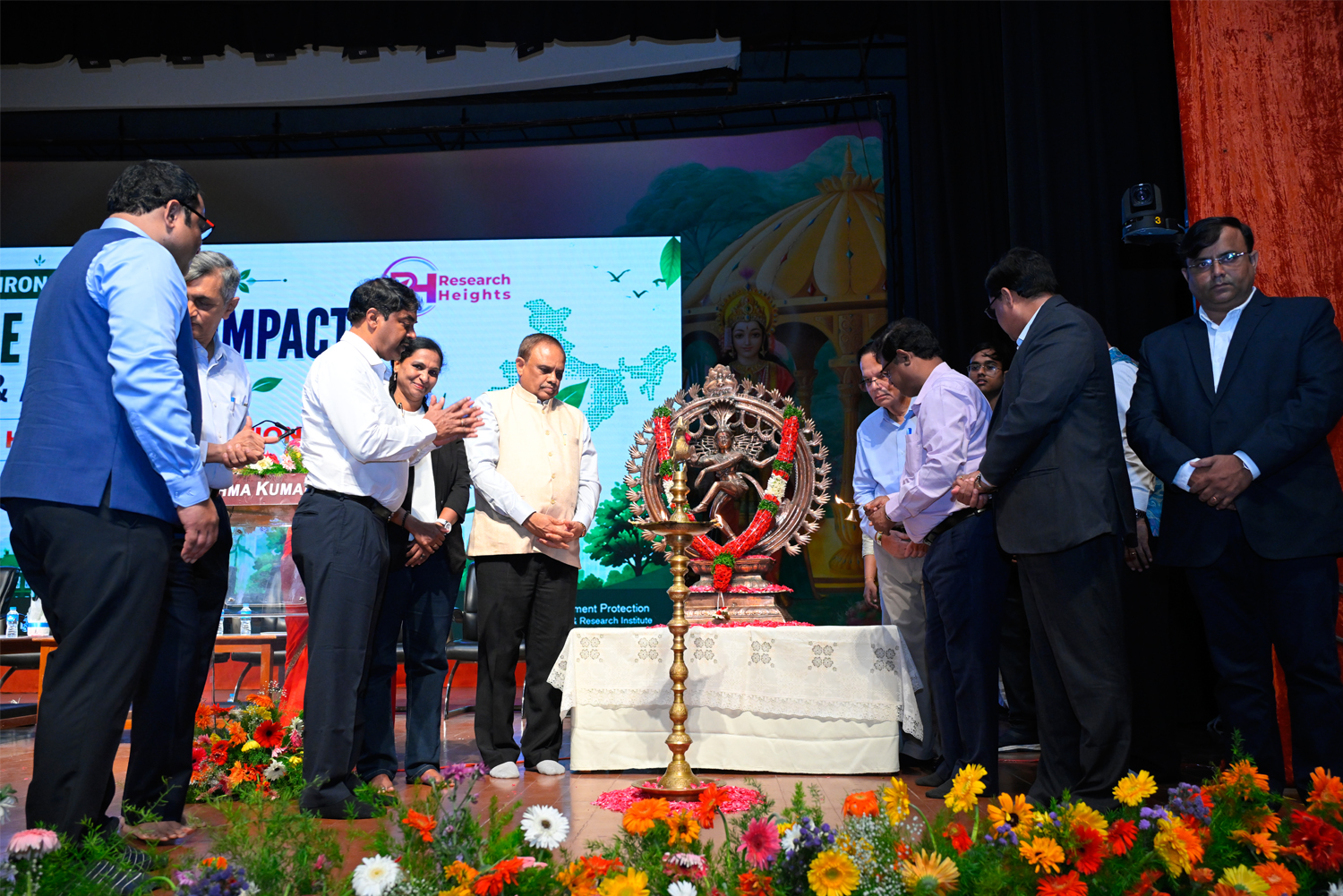
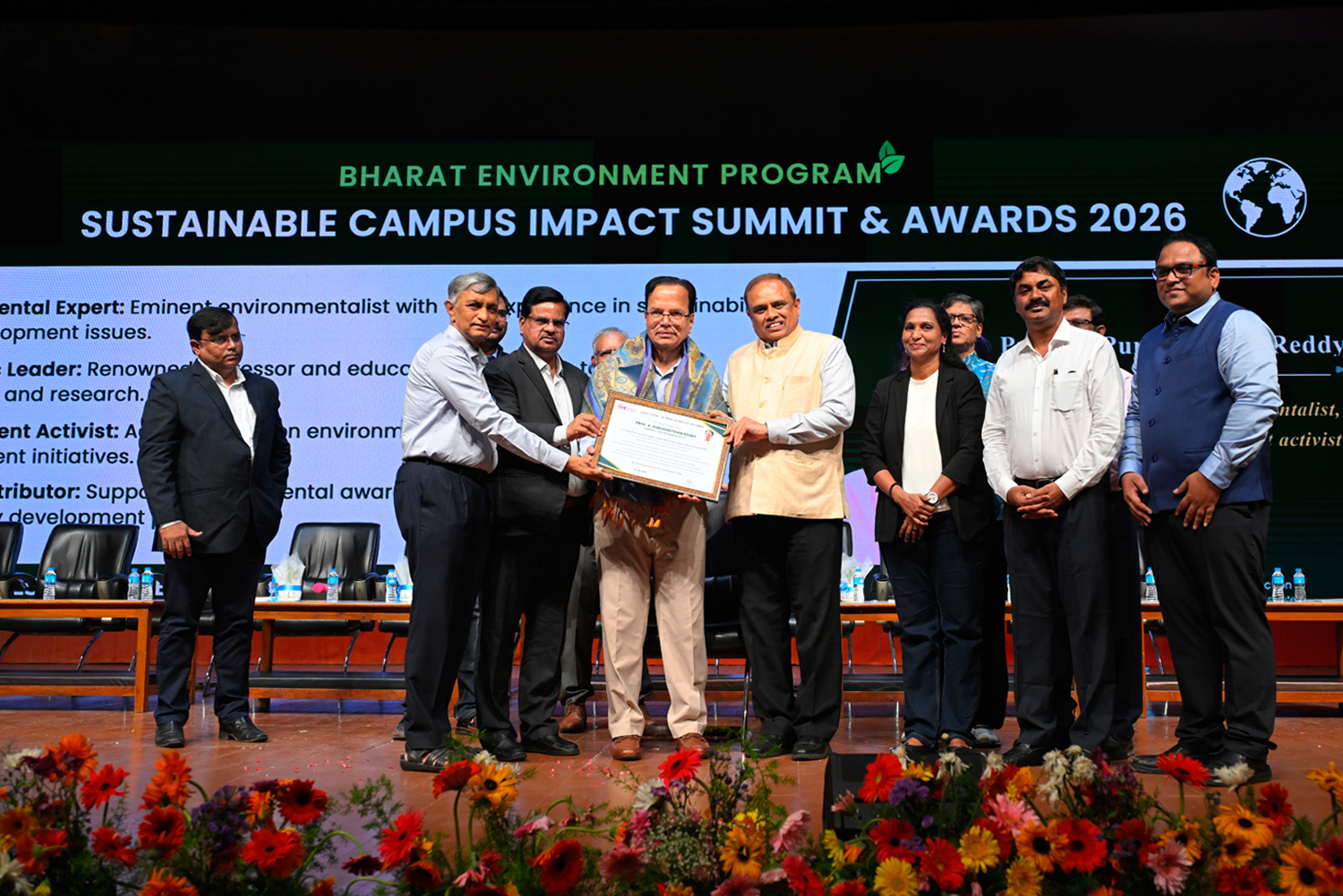
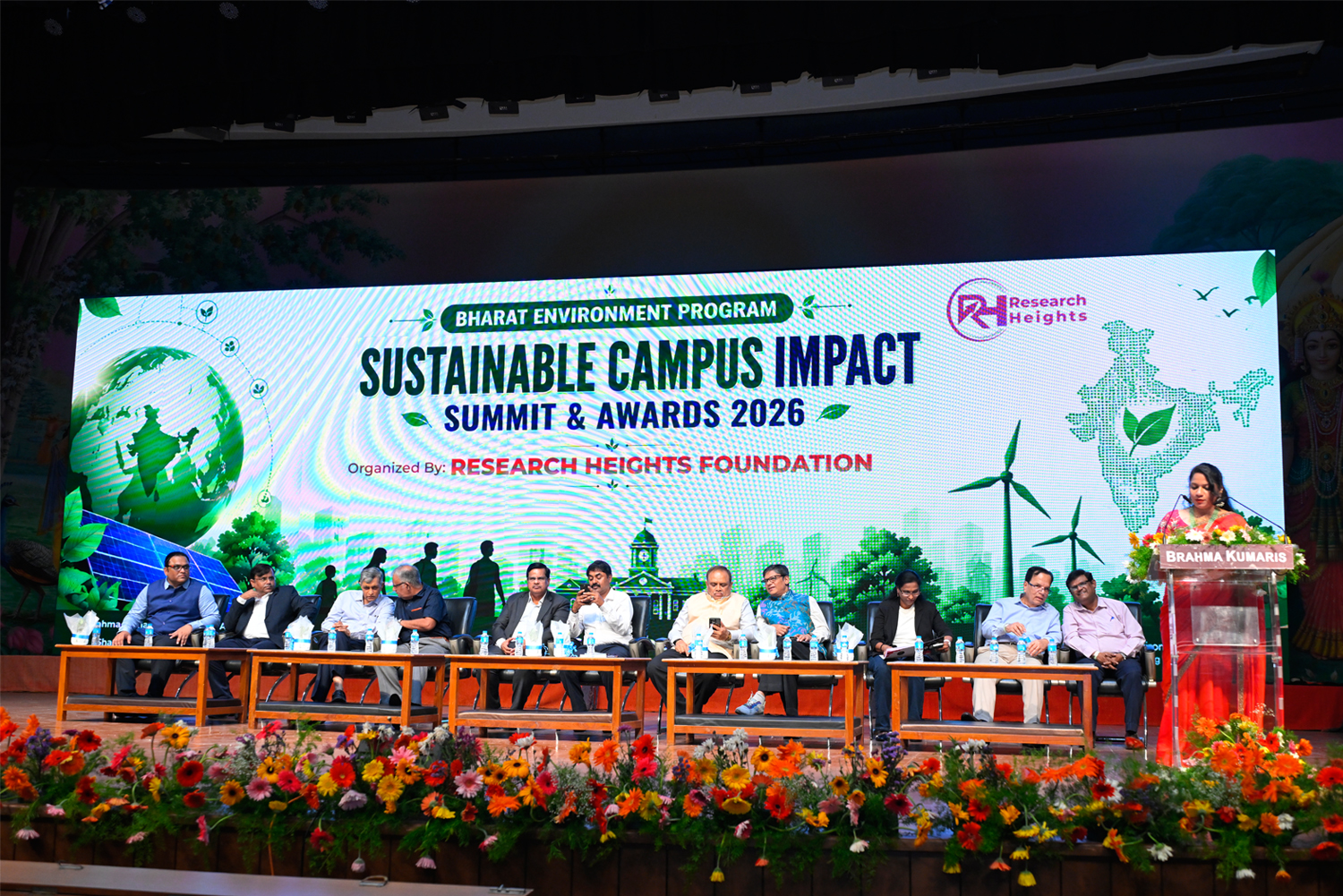
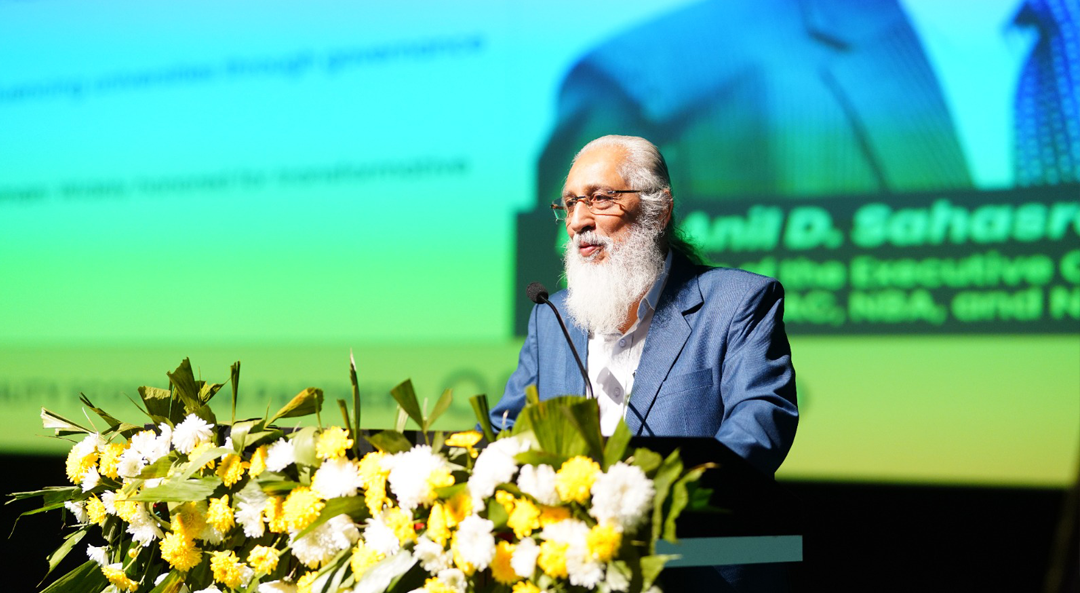
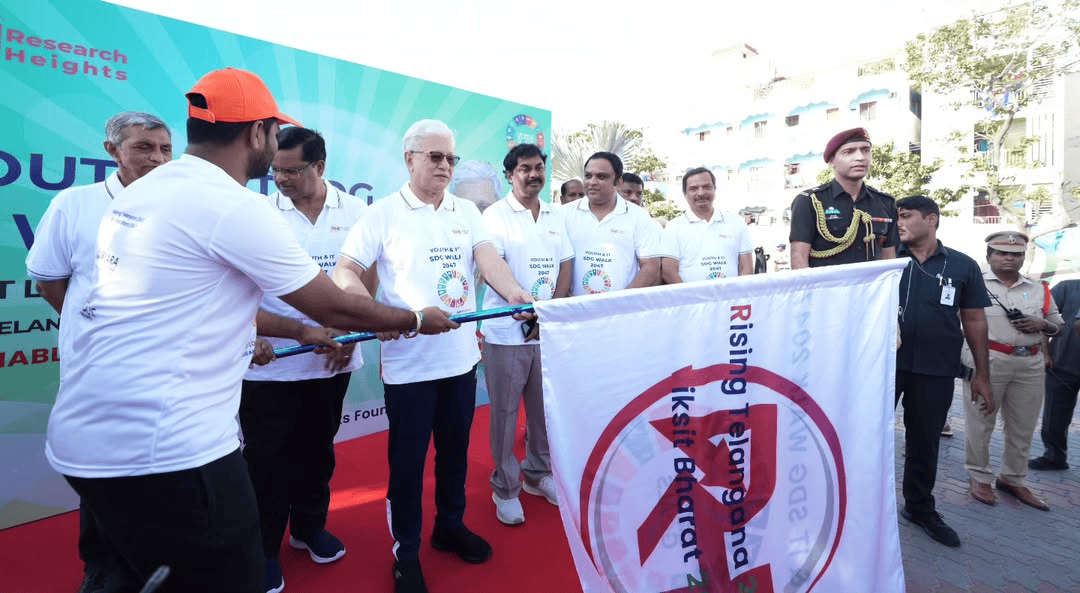
BEP-2026 Summit & Awards
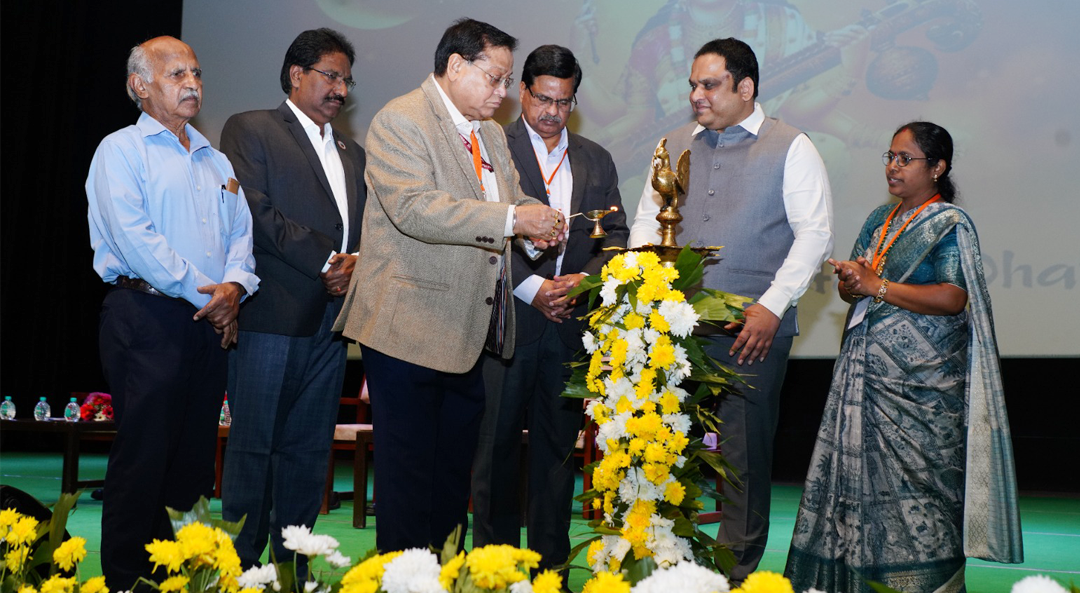
BEP 2026 Impact: Building the Foundation for BEP 2027
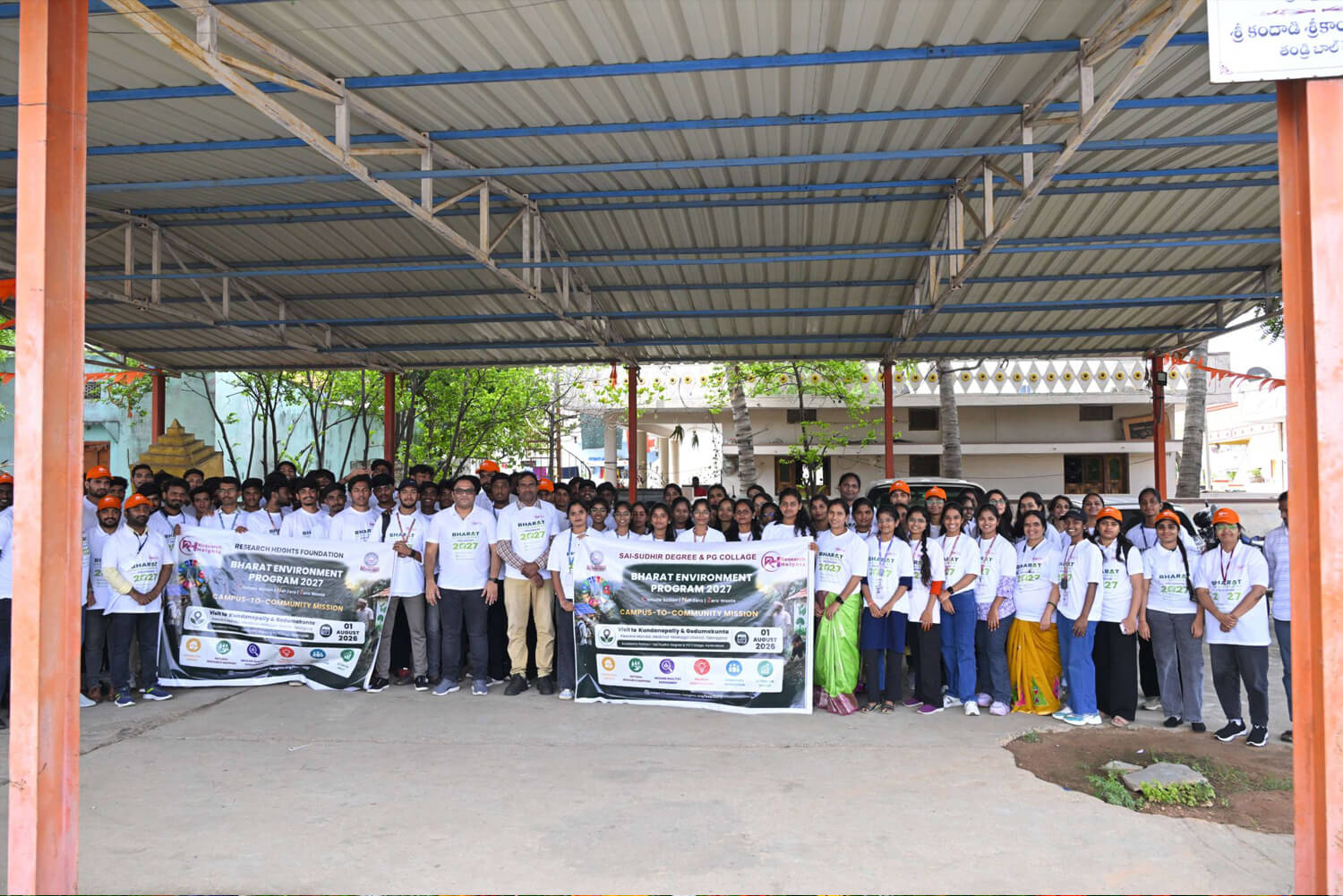
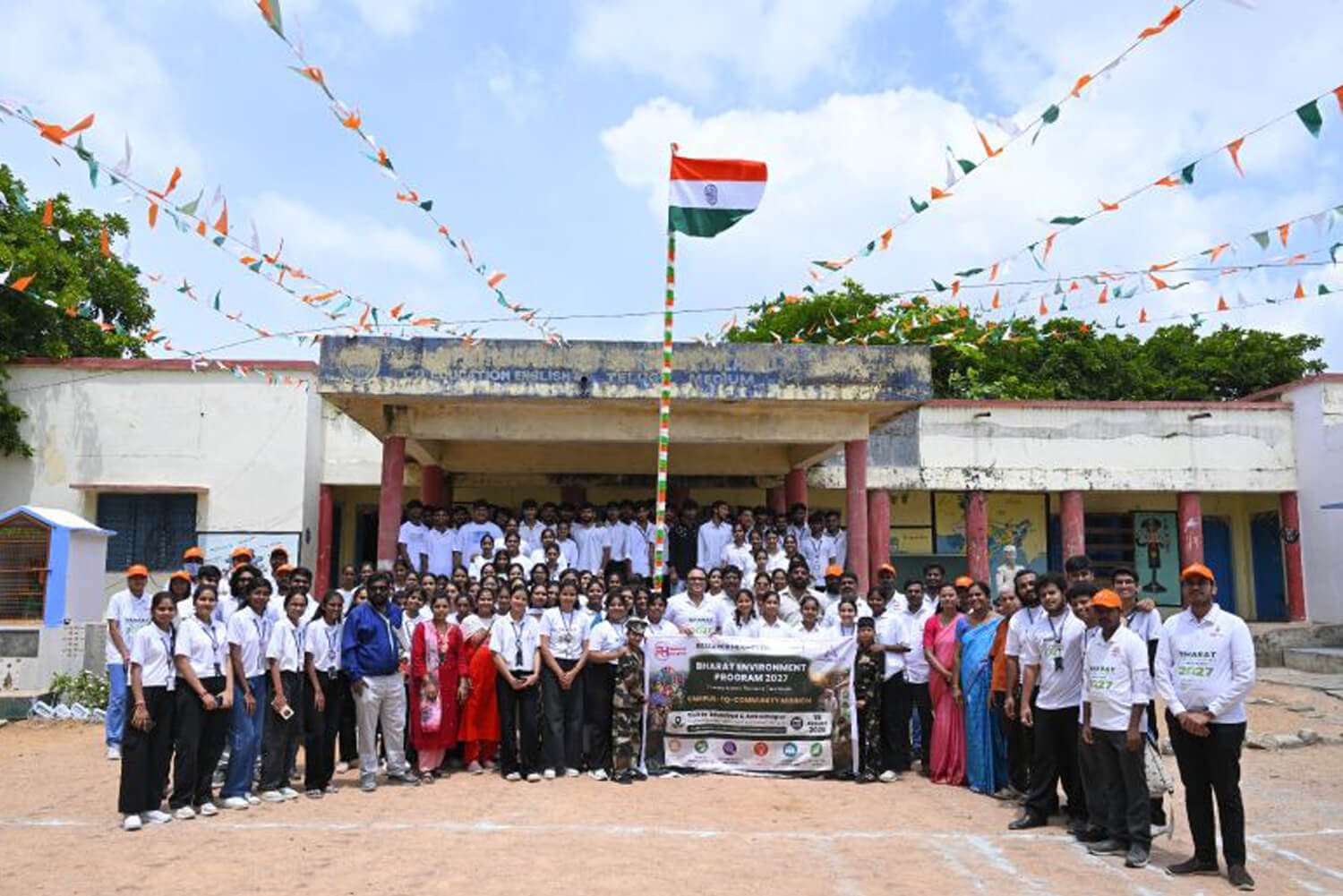
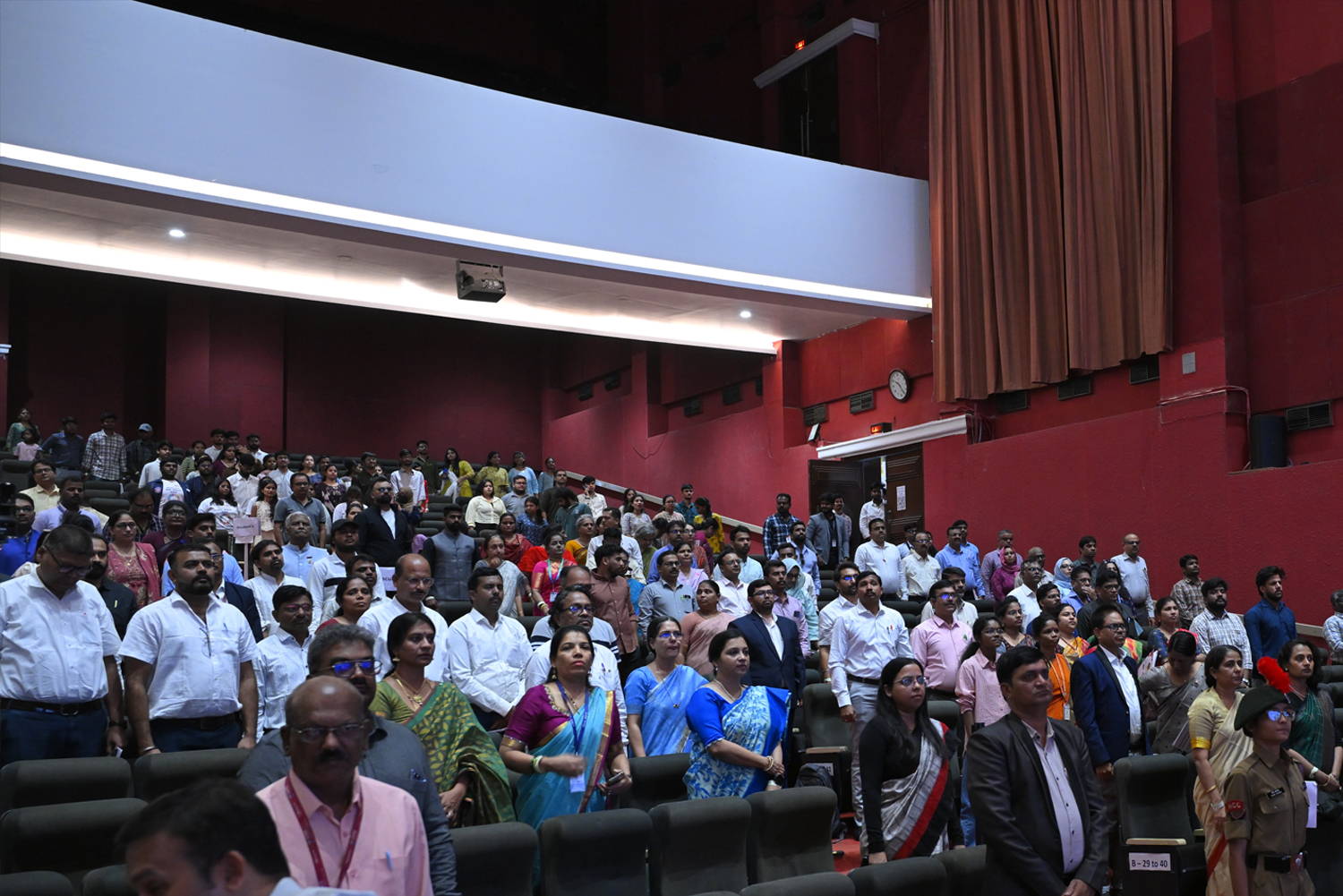
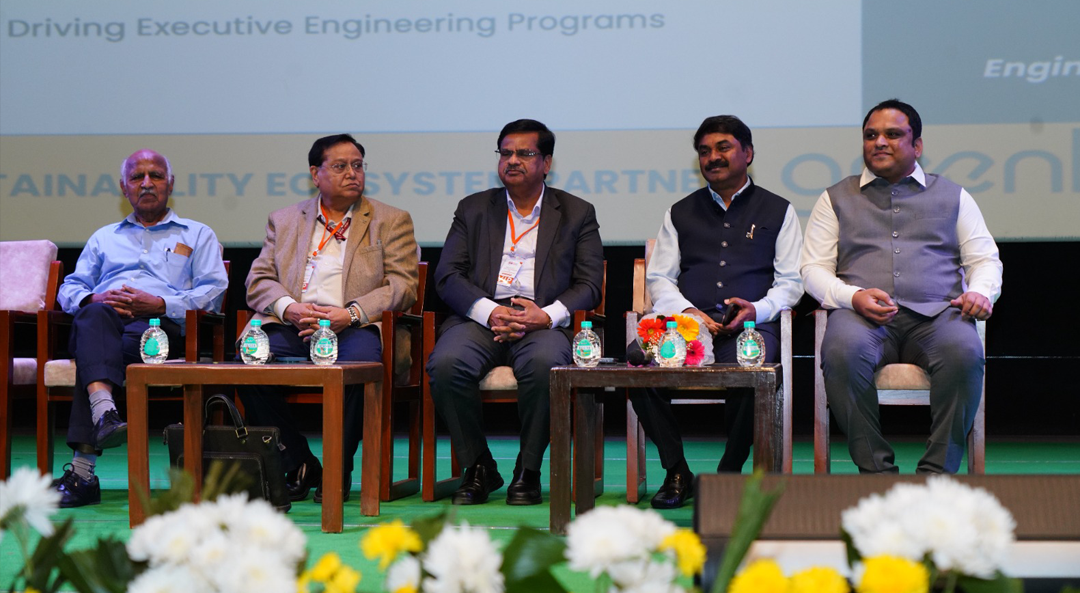
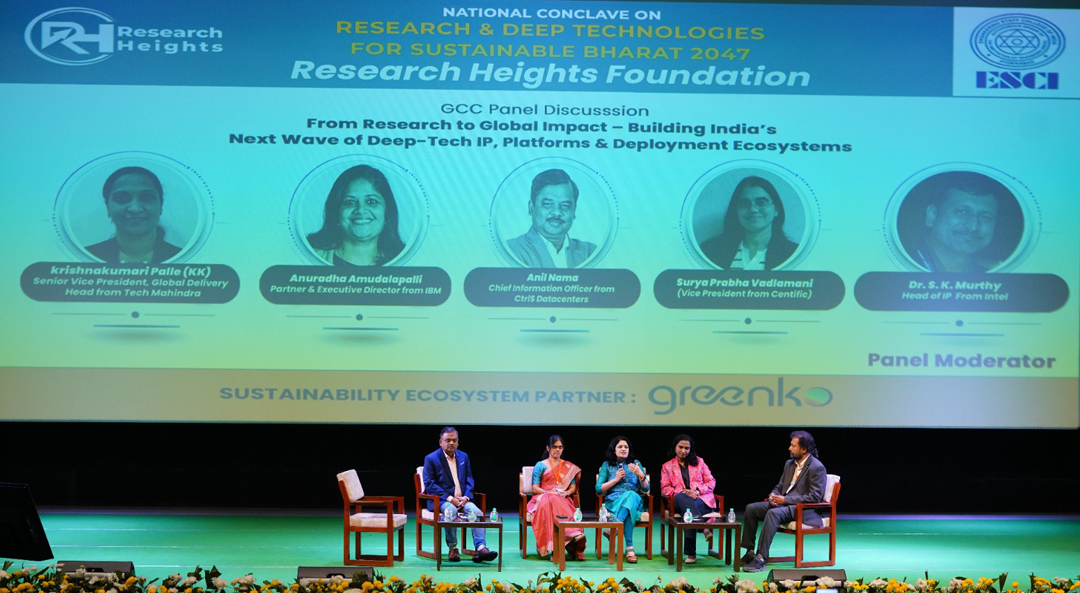
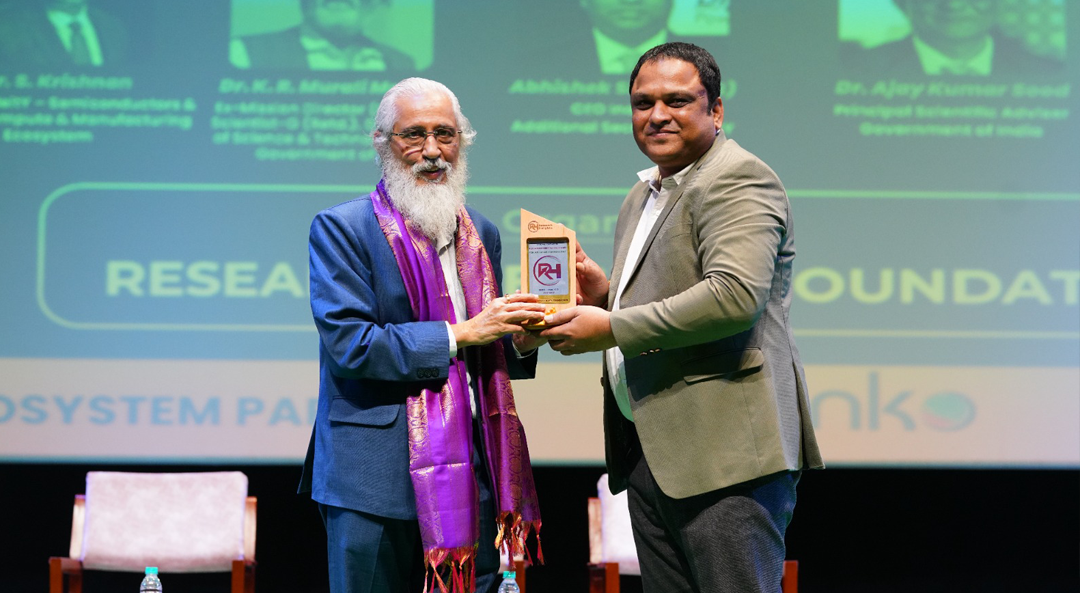
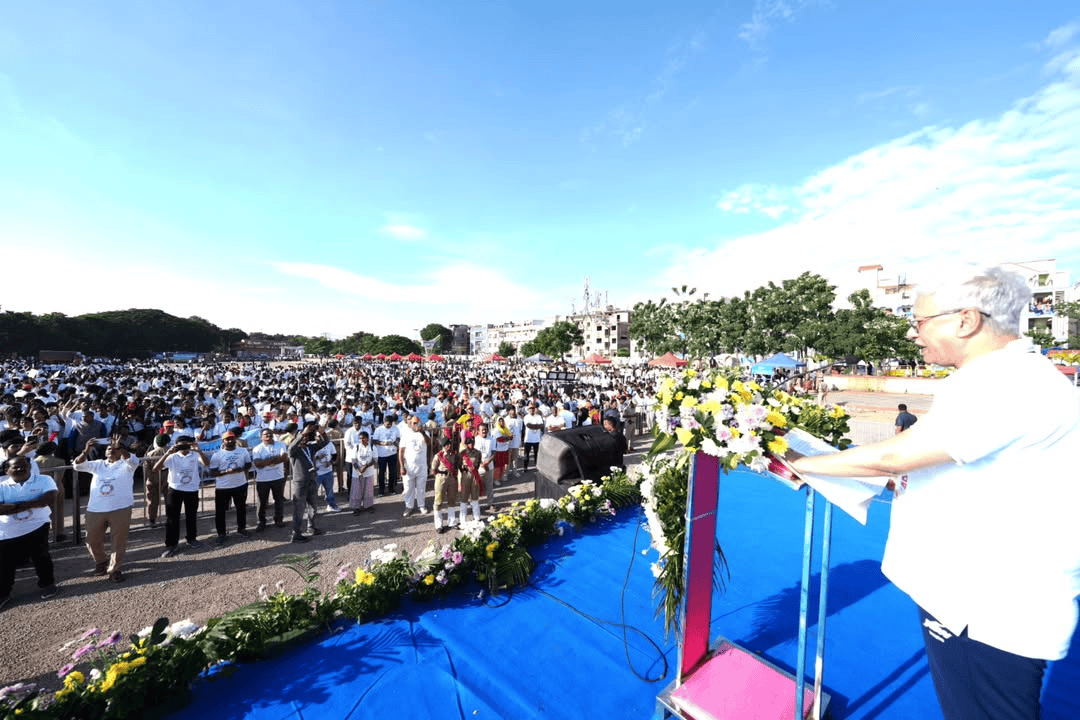
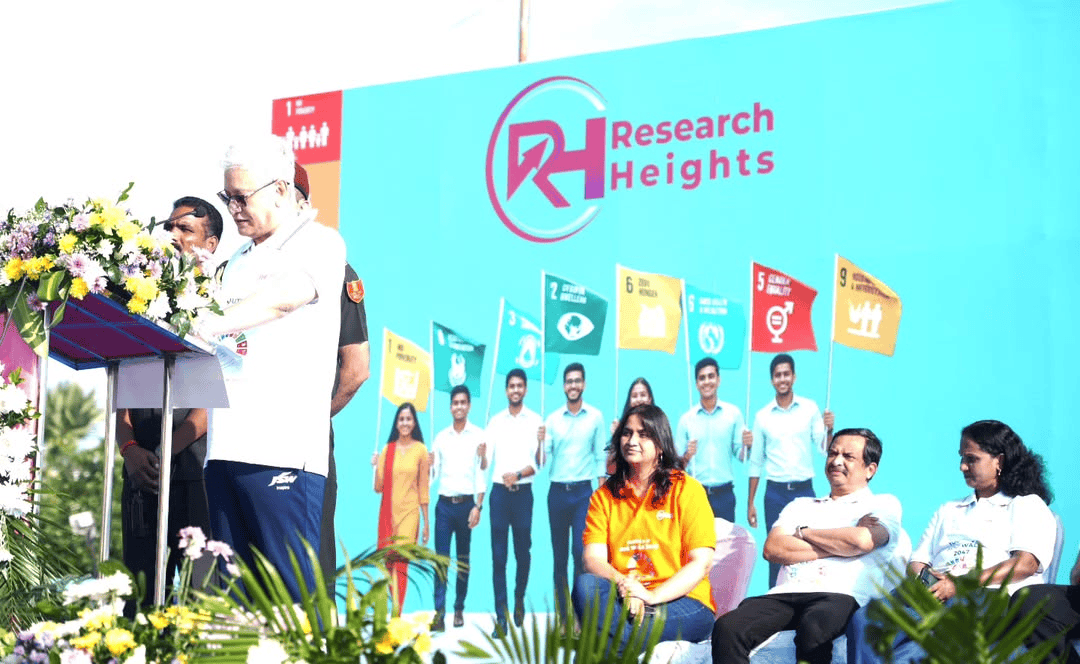
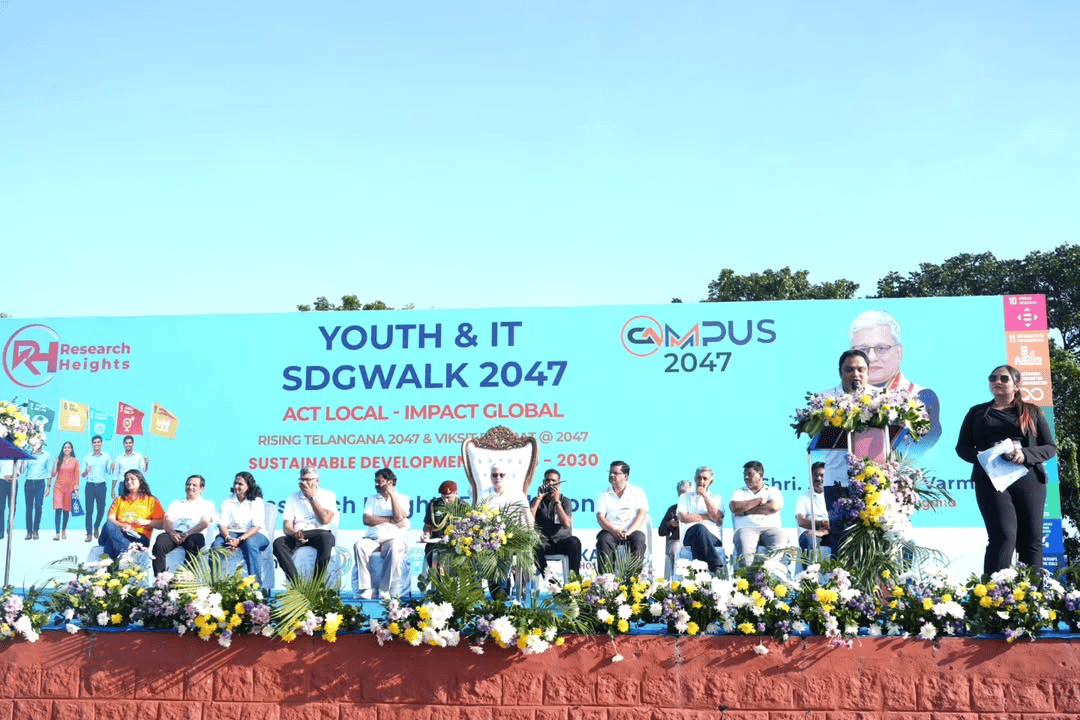
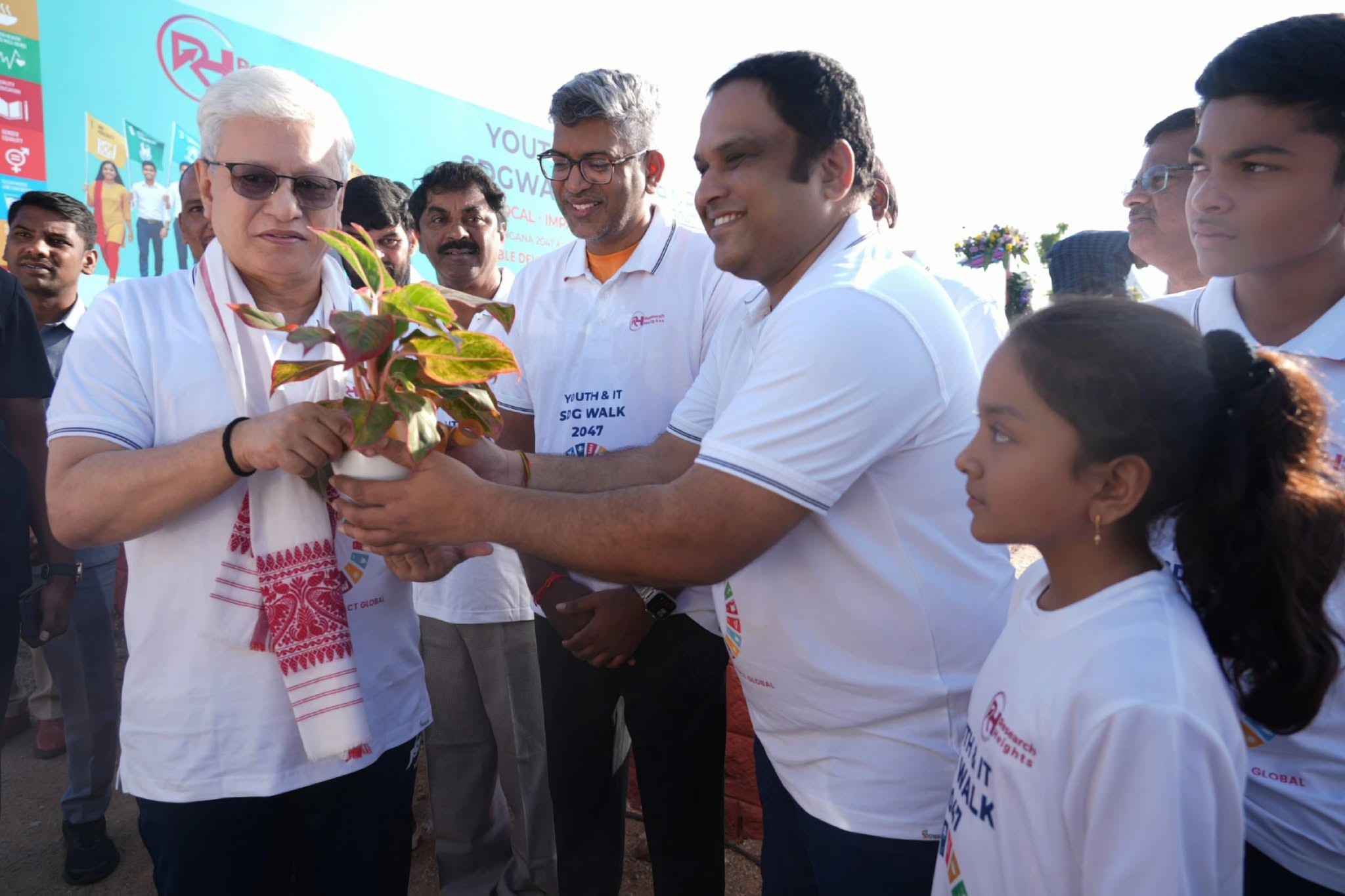
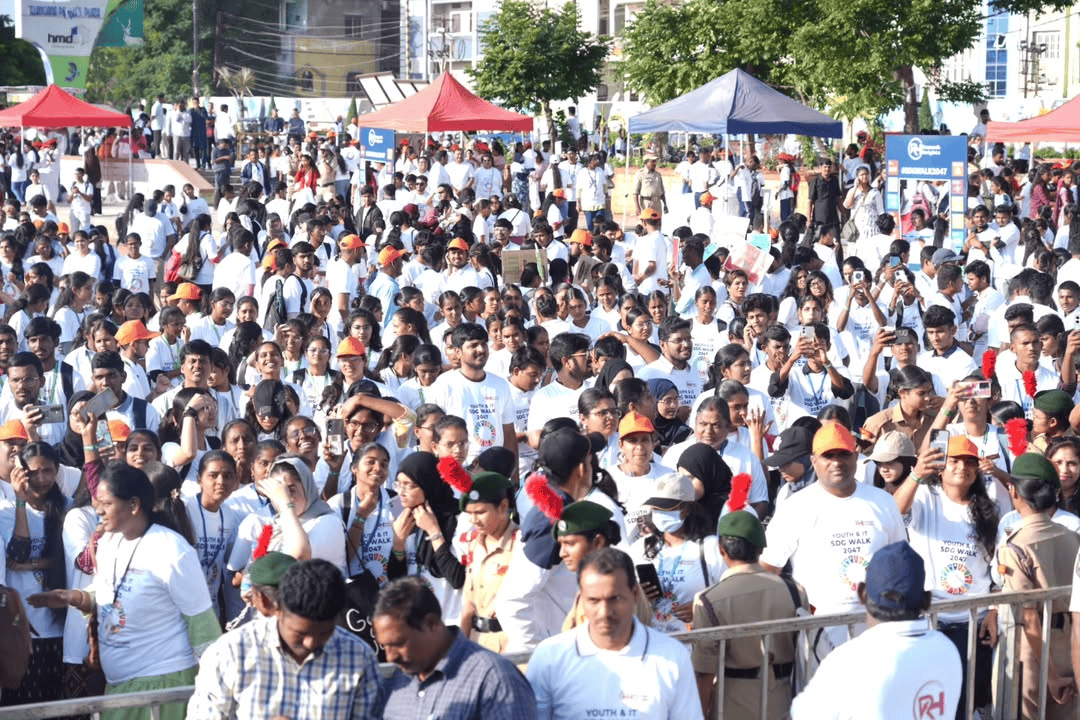
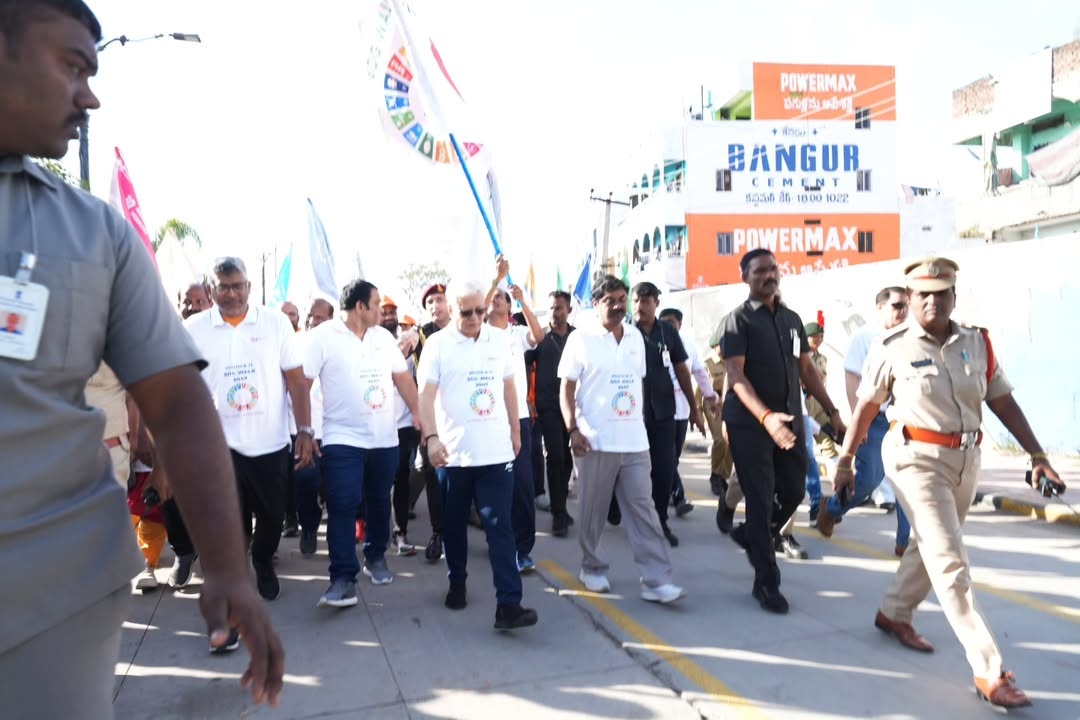
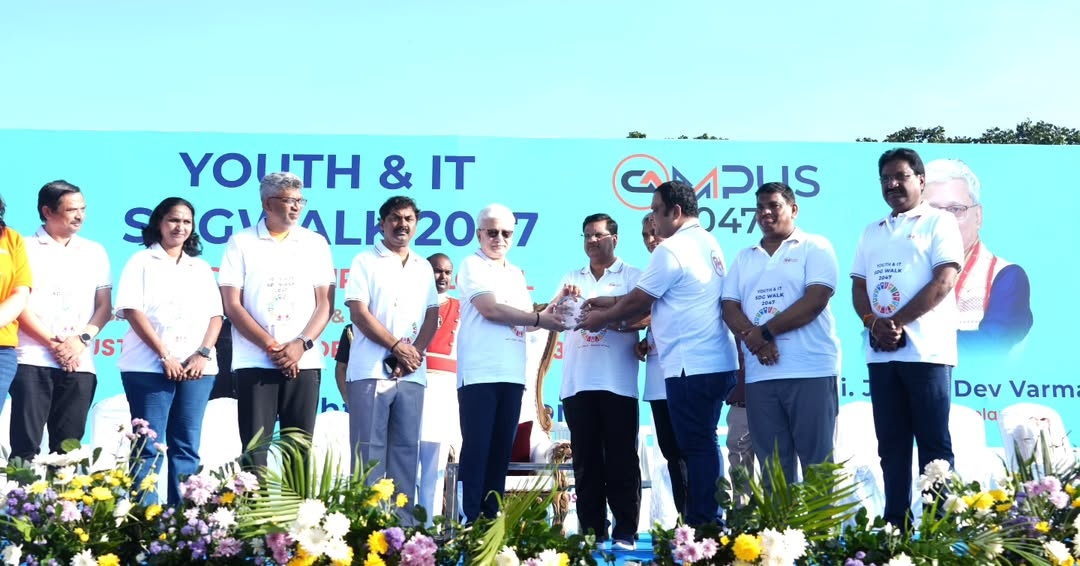
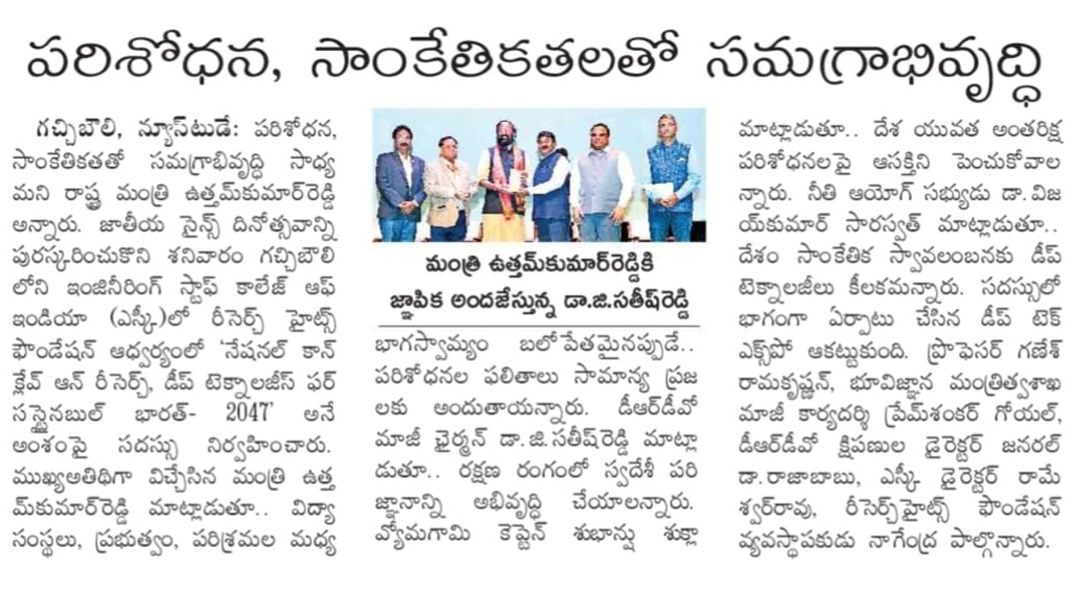
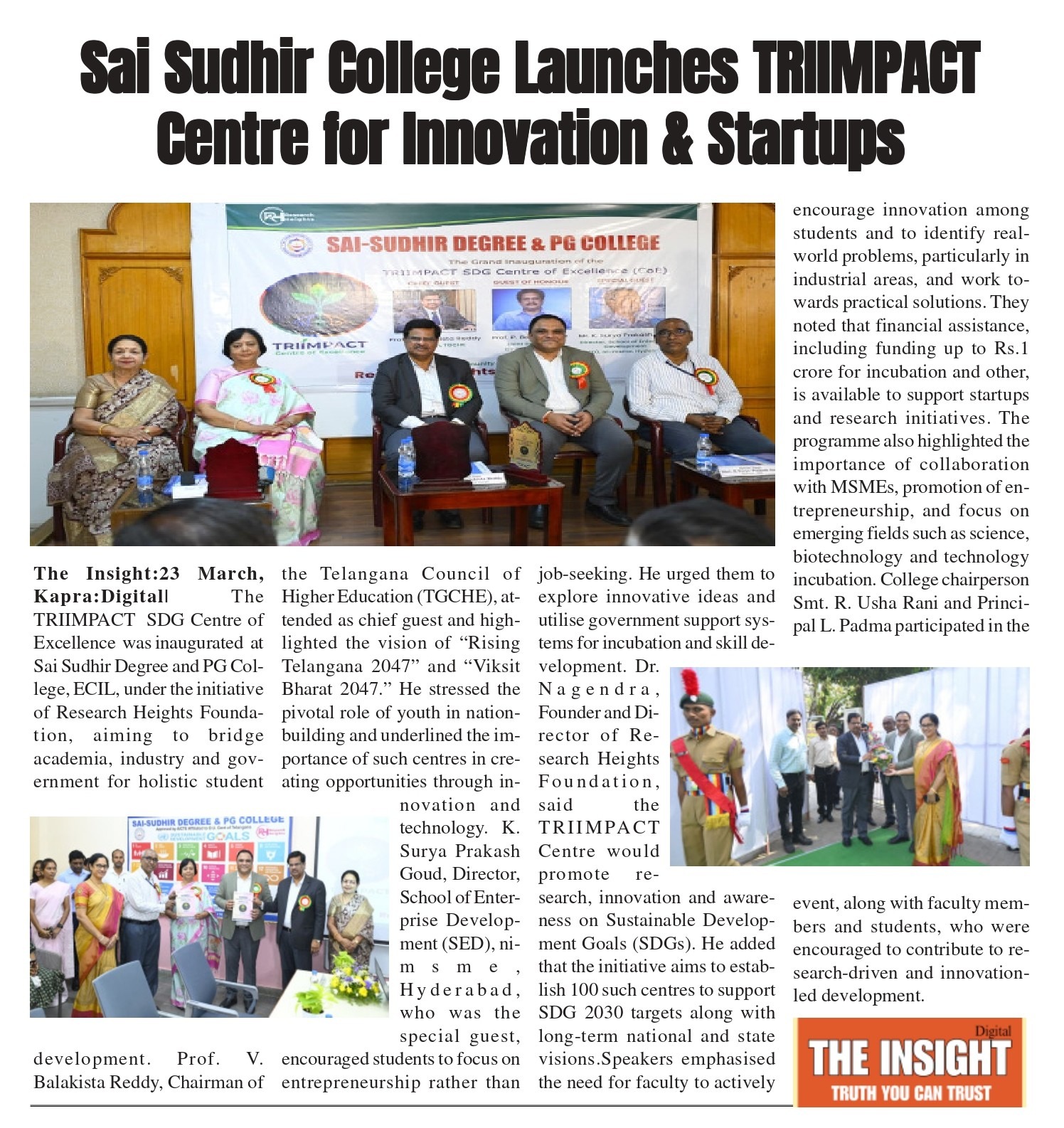
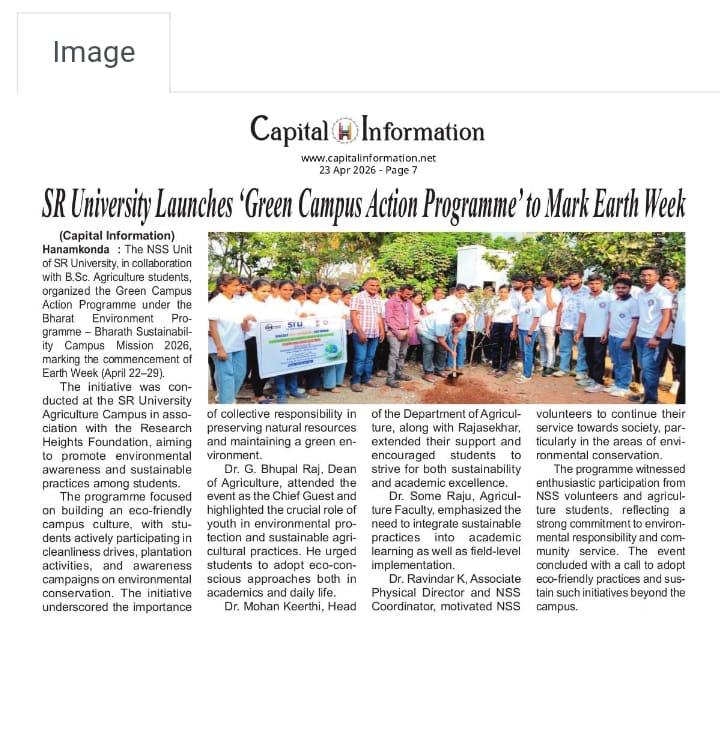
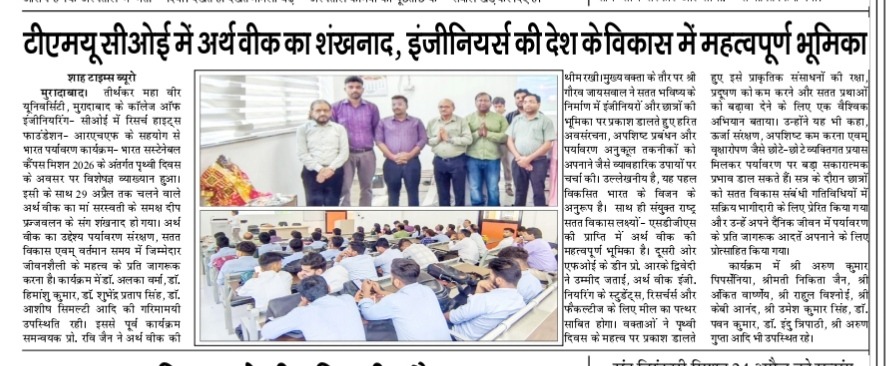
BEP 2026 brought together institutions, educators, faculty, and students across India through sustainability awareness sessions, pledges, plantation drives, waste management activities, green audit initiatives, SDG actions, and community engagement efforts. This foundation now expands into BEP 2027 as a structured national campus-to-community sustainability mission.
BEP-2026 Impact Glimpse
1,000+
Participating Campuses
1,00,000+
Students Engaged
10,000+
Faculty & Academic Leaders
26+ States & 3+ UTs
National Participation
From Event to Movement: A National Campus–Industry–Community Sustainability Mission
BEP 2027 builds on the momentum of BEP 2026 and expands it into a structured, data-backed national mission connecting institutions, industry partners, government bodies, youth, and communities for measurable sustainability impact.
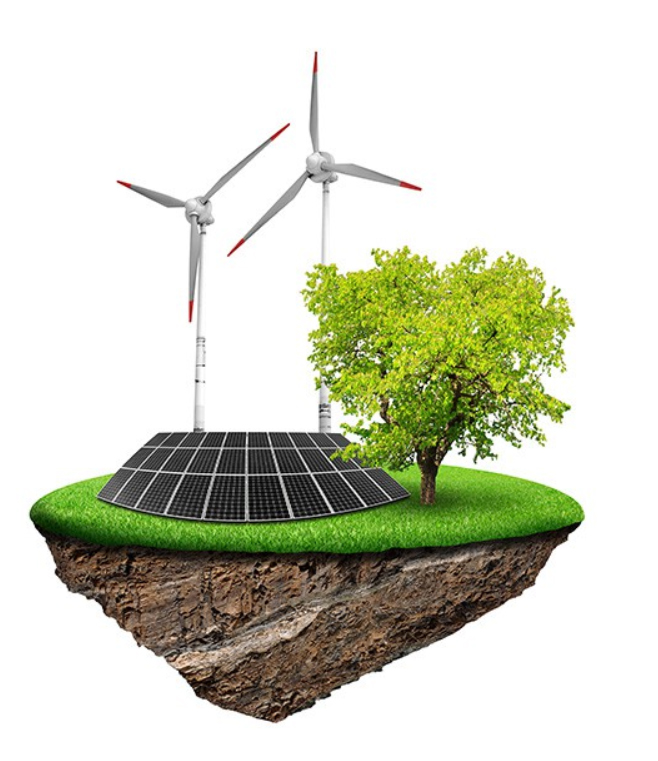
BEP 2027: Driving Measurable Impact
BEP 2027 is designed to transform sustainability awareness into measurable action by enabling campuses, industry partners, and communities to implement, document, and scale climate action, net zero readiness, zero waste systems, SDG projects, and community impact.
The BEP 2027 Ecosystem: Connecting Institutions, Industry, Government and Communities
BEP 2027 brings together the stakeholders required to convert sustainability awareness into structured action, evidence-backed reporting and scalable impact across campuses, industries and communities.
Higher Education Institutions
Building sustainable campuses, enabling student-led action and developing future sustainability leaders.
Government Bodies
Supporting policy alignment, public awareness, institutional outreach and sustainability mission convergence.
Industry & CSR Partners
Driving ESG, CSR, innovation and measurable sustainability impact across campuses and communities.
State Anchors & Cluster Coordinators
Coordinating institutional participation, regional implementation, reporting and state-level impact visibility.
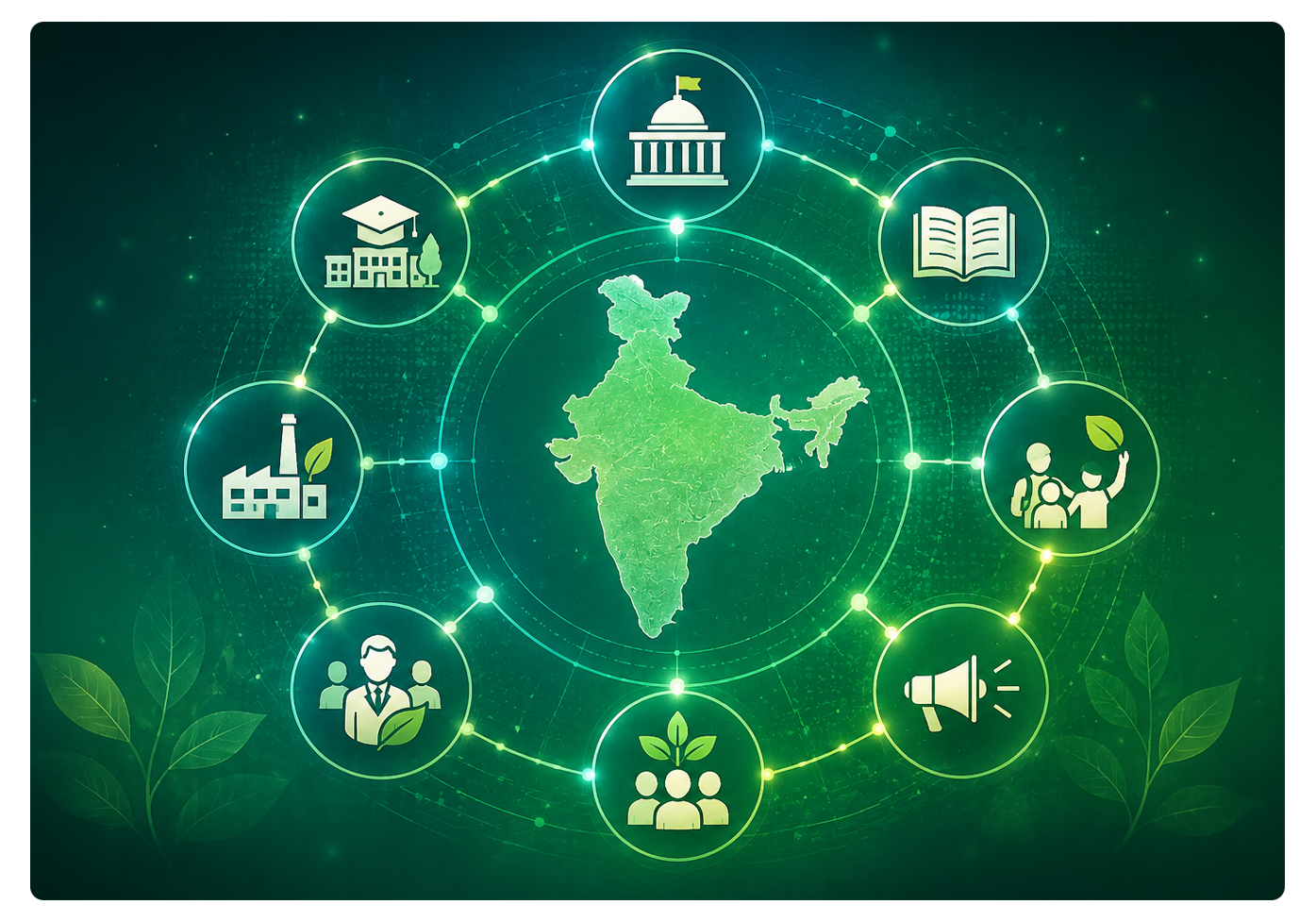
Knowledge Partners
Providing expertise, research support, training, mentoring and capacity-building frameworks.
Students & Green Corps
Leading sustainability action, innovation projects, BEP Green Corps activities and grassroots engagement.
Communities
Participating in local sustainability initiatives, village-level outreach and environmental improvement efforts.
Media & Outreach Partners
Amplifying stories, achievements, innovations, case studies and impact across the nation.
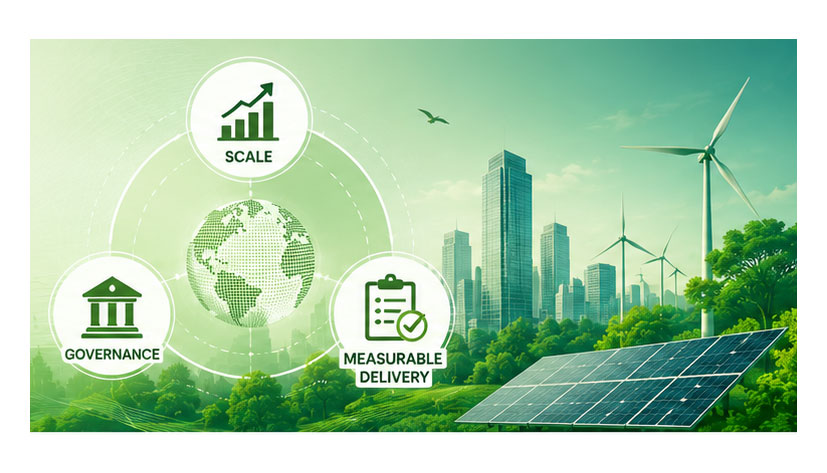
Designed for Scale, Governance and Measurable Impact
BEP 2027 follows a structured 10-month mission cycle through national coordination, state chapters, anchor institutions, institutional coordinators, BEP Green Corps volunteers, expert partners and dashboard-based evidence documentation.
National Coordination
Mission direction, advisory guidance, partner alignment and national-level coordination.
State Chapters
State-level mobilisation, anchor institutions, partners and cluster coordination.
Institutional Cells
Campus-level teams, faculty coordinators, SDG/Green Cells and student leadership.
Action Projects
Projects across climate action, energy, waste, water, biodiversity, innovation and community outreach.
Evidence Review
Evidence submission, reports, photos, metrics, case stories, validation and assessment.
National Showcase
Impact dashboard, certifications, awards, national report and scalable model stories.
EIGHT PILLARS OF BEP 2027
Net Zero & Energy Transition
Energy efficiency, renewable readiness, solar mapping, carbon footprint awareness and energy transition planning.
Zero Waste & Circular Campus
Segregation, composting, recycling, plastic reduction, circular campus practices and waste data tracking.
Water Conservation & Blue Campus
Water audits, conservation, recharge, reuse, leakage tracking and responsible water management.
Green Campus & Biodiversity
Biodiversity mapping, plantation, tree survival tracking, campus ecology and nature-positive planning.
Climate Awareness & Behaviour Change
Climate literacy, adaptation thinking, risk awareness, local action plans and youth-led climate campaigns.
Sustainable Mobility & Clean Air
Green commuting, public transport awareness, cycling, walking, vehicle-use reduction and clean-air practices.
Campus-to-Community / Village Sustainability Lab
Campus-to-community projects, village outreach, school engagement, citizen awareness and local model adoption.
Green Innovation, Research, Skills & Leadership
Student ideas, green entrepreneurship, sustainability research, skills, prototypes and responsible innovation challenges.
A Simple Framework for Measurable Sustainability Impact
BEP 2027 enables institutions, industry partners, government bodies, youth and communities to move from awareness to action, and from action to measurable, evidence-backed impact.
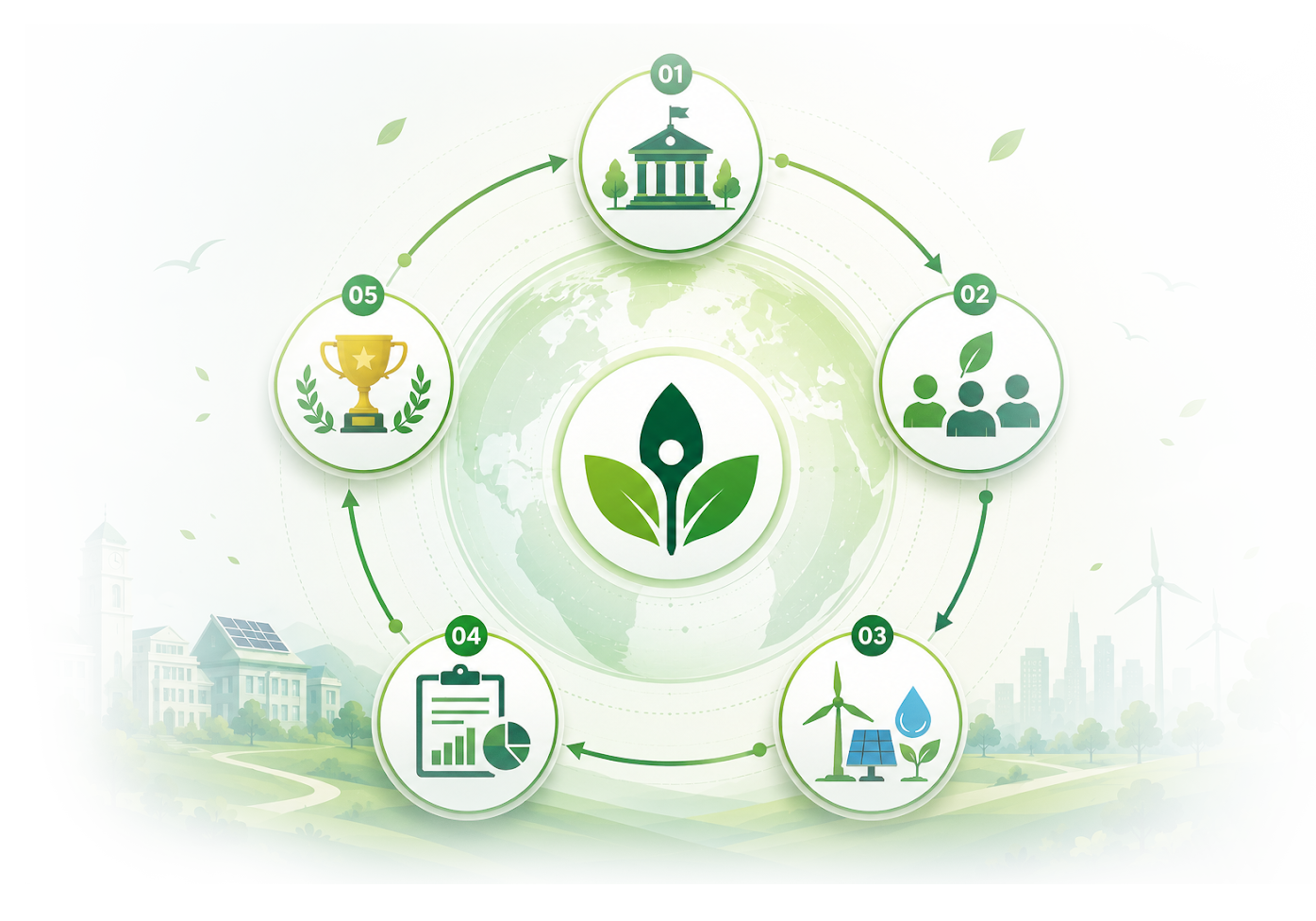
Universities, colleges, industry partners, government bodies and knowledge partners join the mission and establish sustainability action teams.
Students, faculty members, volunteers, youth leaders and community stakeholders participate in awareness, leadership and outreach activities.
Institutions and partners undertake projects aligned with the Eight Pillars of BEP 2027, including climate action, energy, water, waste, biodiversity, innovation and community engagement.
Participation, outcomes, evidence, photos, reports, metrics and case stories are captured through structured reporting and dashboard-based documentation.
Institutions, partners, coordinators, volunteers and changemakers receive recognition while successful models are showcased and replicated across the network.
NATIONAL VISIONARIES GUIDING THE BHARAT ENVIRONMENT PROGRAM 2027




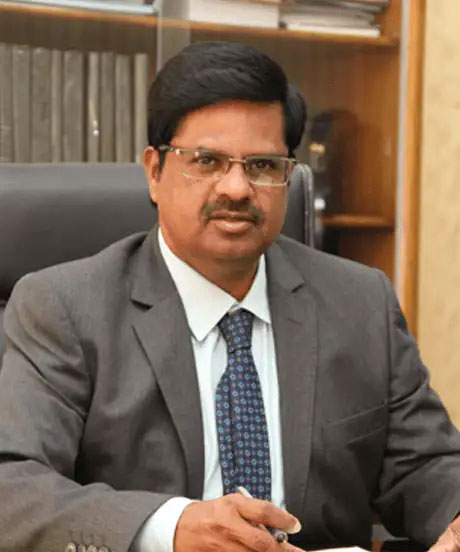

Professor Jayashankar Telangana Agricultural University (PJTAU)







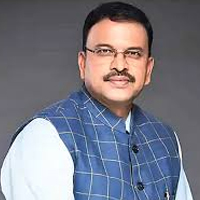

NTPC Limited


PwC India

Suzlon Group
Industry Thought Leaders Driving the Bharat Sustainability Mission














ACADEMIC THOUGHT LEADERS DRIVING SUSTAINABLE TRANSFORMATION

Dr. M. Dhanamjaya
Registrar, REVA University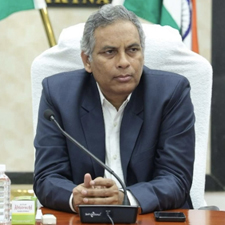
Prof. C. S. R. K. Prasad
Vice-Chancellor, Jawaharlal Nehru Technological University Kakinada (JNTUK)
Prof. H. Sudarsana Rao
Vice-Chancellor, Jawaharlal Nehru Technological University Anantapur (JNTUA)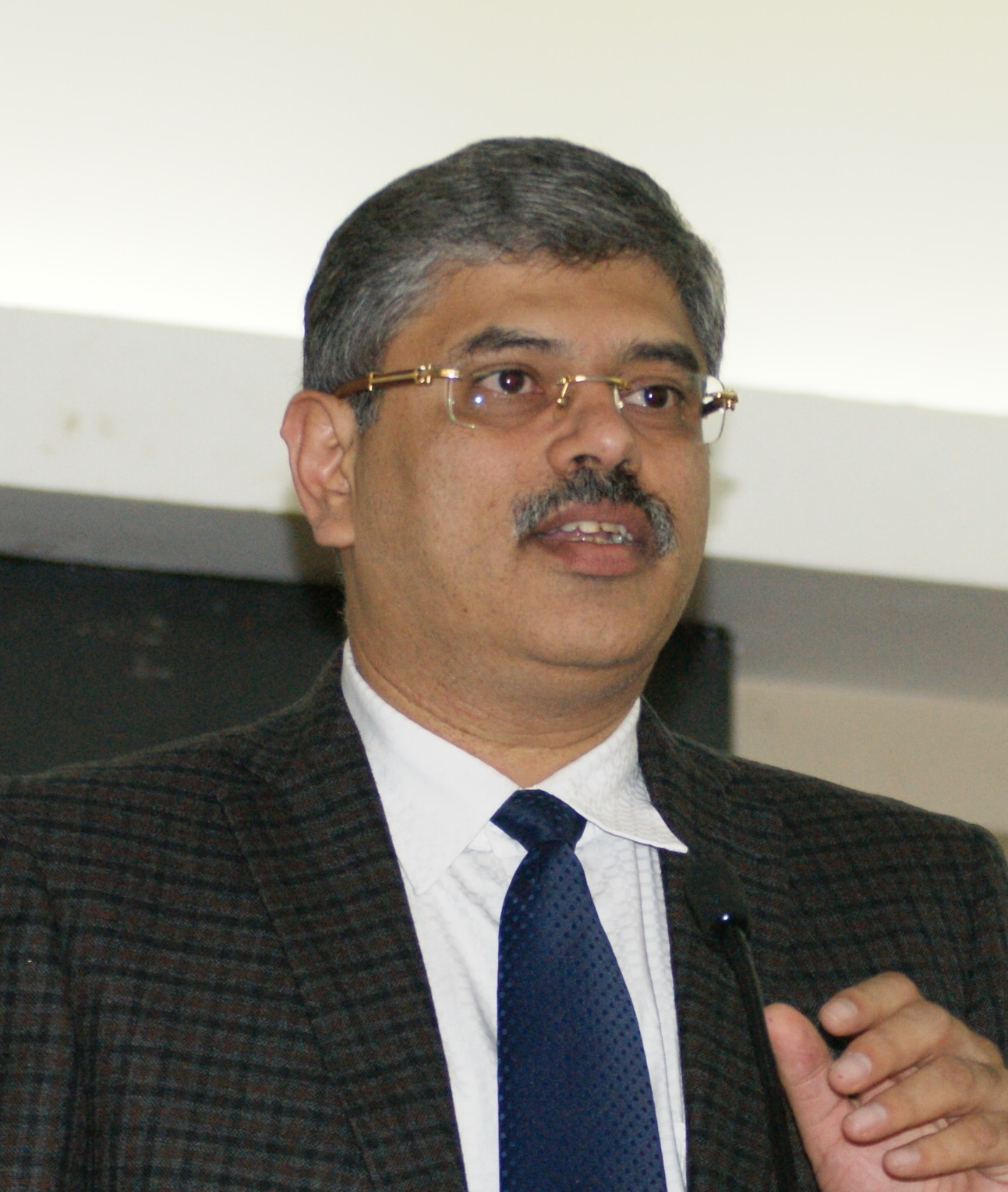
Dr. Parag Kalkar
Pro Vice-Chancellor, Savitribai Phule Pune University (SPPU)
Prof. S. Vijaya Bhaskara Rao
Vice-Chairman, Andhra Pradesh State Council of Higher Education (APSCHE)
Prof. Sandeep Shukla
Director, International Institute of Information Technology Hyderabad (IIIT Hyderabad)
Prof. K. Pratap Reddy
Vice-Chancellor, Kakatiya University, WarangalKnowledge Partners
Telangana Renewable Energy Development Corporation Ltd.

Telangana State Council of Higher Education
Environment Protection Training & Research Institute

TERI Institute of
Energy Transition
India Meteorological Department
National Anchoring Institutions

Professor Jayashankar Telangana Agricultural University (PJTSAU)
Gallery