
Research Heights Foundation (RHF) is a Section 8 not-for-profit institution focused on building a scalable ecosystem for research capacity, innovation translation, and SDG impact. We operate with an India-first, globally connected approach aligned with SDG 2030, Viksit Bharat 2047, and global collaboration frameworks.
Designed to strengthen national priorities and unlock global collaboration, funding, and recognition.
Impact projects, reporting & partnerships (SDG-17) across geographies.
Multidisciplinary research ecosystem with community engagement.
OBE outcomes, real-time SDG metrics, audit-ready documentation.
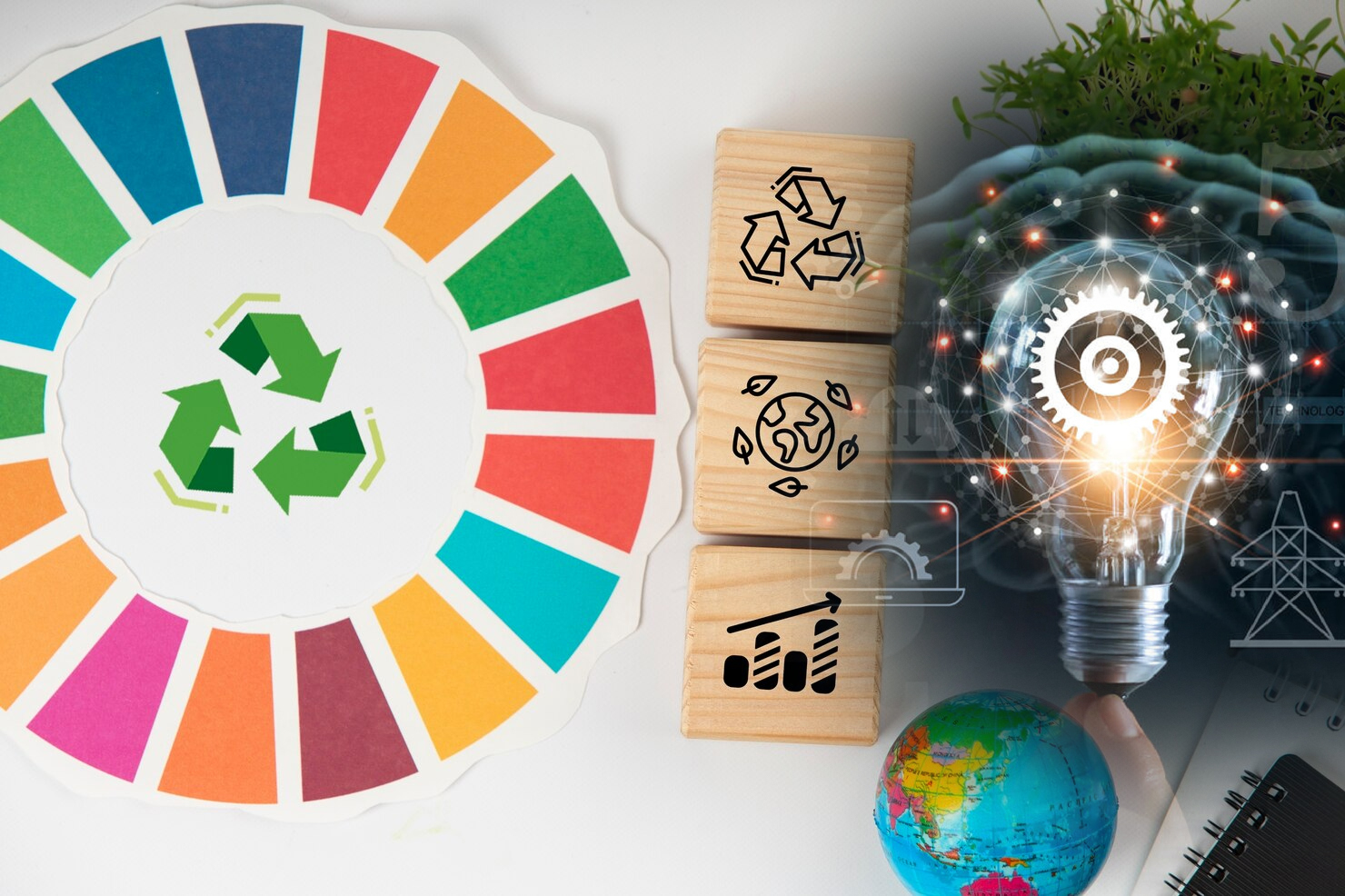
RHF is a mission-driven platform to enable Research–Innovation–SDG Centres of Excellence and a Digital Research Infrastructure (DRI) layer—so institutions can execute impact projects, mobilize funding, and report outcomes credibly.
To position India as a global research and innovation leader by 2047, enabling a self-reliant, sustainable, technology-driven Viksit Bharat.
Accelerate SDG-aligned research impact by 2030 and enable measurable societal, economic, and environmental outcomes.
01
Research, SDG initiatives, CSR, policy priorities, and community work often run in silos—impact stays invisible and hard to scale.
02
Many programs stop at intent. RHF provides governance, dashboards, and evidence systems to deliver outcomes credibly.
03
Institutions need global-quality reporting and collaboration readiness to plug into international networks and funding.
Local action → measurable outcomes → verified reporting → scalable partnerships — aligned to SDG 2030, NEP 2020, and global visibility pathways.
National-scale mapping of labs, expertise, projects, and outputs—so institutions can discover, share, and report evidence.
Execution-ready SDG labs and Centres of Excellence with funding pathways, governance, and measurable outcomes.
Tripartite model connecting Academia, Government, and Corporate CSR to deliver community outcomes.
Talent enablement for publications, patents, pilots, startups, and community innovation.
RHF is structured and why stakeholders trust it. Here’s the simplest view of our enablement stack—each item links to a dedicated page.
RHF follows a phased, measurable execution model so
stakeholders
can move from readiness to funded implementation and national/global visibility.
Academia: roadmap + KPIs, CoE playbooks, evidence systems, and global visibility pathways
Industry/CSR: problem statements → pilots, governance, audit-ready impact reporting (ESG/BRSR)
Government: implementation partners, district/state dashboards, and policy-aligned outcomes
Communities: measurable services, livelihood/health/climate outcomes, and transparent reporting
Baseline audits, SDG mapping, research SWOT, faculty/student workshops, readiness trackers.
CoE setup, CSR partnerships, government grant mapping, pilots, dashboards, annual SDG/Climate reporting.
International collaborations, global challenge pilots, and visibility through THE Impact / QS Sustainability pathways—while replicating models state-to-nation and nation-to-global.
Institutional readiness audits, launch of Digital Research Infrastructure (DRI), SDG CoE pilots, faculty capacity building, and early CSR-funded projects.
State and regional replication, multi-institution CoEs, expanded CSR & government partnerships, annual SDG/Climate report cards, and rankings visibility.
International SDG research collaborations, global challenge labs, UN-aligned initiatives, policy contributions, and positioning India as a global impact hub.
RHF is built for “local action → global recognition”. We make SDG work comparable, reportable, and collaboration-ready.
SDG dashboards and annual report cards designed to match global impact expectations while staying compliance-ready in India.
Problem statements, research themes, and CoE outputs curated for joint projects with universities, labs, NGOs, and development agencies.
Structured pathways to strengthen THE Impact and QS Sustainability narratives using verified evidence and measurable KPIs.
International universities seeking India partnerships, global CSR/ESG programs, UN-aligned initiatives, and development partners—while also enabling Indian institutions to become globally visible through credible proof of impact.
Many initiatives talk about SDGs and research. RHF is built for execution + accountability—so partners can see outcomes,
not just activities.
Every program is designed as a pipeline: baseline → funding → implementation → reporting → scaling.
Dashboards, repositories, and audit-ready documentation are built into the operating model.
Activities are mapped to NAAC/NBA evidence and impact visibility aligned to NIRF (including SDG category) and THE Impact.
RHF integrates Academia (knowledge & talent), Government (policy & facilitation), Industry (CSR/technology), and Community (outcomes)—with clear governance and transparency.
RHF operates with credible governance, CSR-compatible financial discipline,
and impact reporting standards—essential
for government partnerships,
CSR confidence, and long-term scaling.
Eminent scientists, academicians, and industry leaders guiding RHF strategy.
Policy, research, innovation, CSR/ESG, and state coordination.
Delivery, partnerships, dashboards, compliance, and reporting.
Universities, autonomous colleges, research institutions, government departments, corporates/PSUs (CSR/ESG), NGOs, and international networks — built on a quadruple-helix partnership model.
Utilization tracking, audit readiness, and structured reporting aligned to ESG/BRSR expectations.
Quarterly dashboards + annual SDG / Climate report cards for institutions and communities.
NAAC/NBA-ready documentation and NIRF/THE Impact-aligned outcome narratives.
Whether you are an academic institution, a CSR/ESG leader, a government department,
a development partner, or a global collaborator—RHF can support strategy,
execution,
funding mobilization, and verified impact reporting under a single structured model.