A government-ready platform to mobilize colleges for measurable SDG outcomes.

Research Heights Foundation (RHF) enables governments to convert policy vision into verified impact — by integrating Higher Education Institutions (HEIs), industry CSR, and community programs under a single execution and reporting framework.

PMU + DRI

Program Management Unit + Digital Research Infrastructure

HEIs

Colleges → villages → labs → dashboards

Audit-ready

UCS-aligned data, proper evidence packs, quarterly and annual performance scorecards

Government Outcomes We Enable
State SDG Program Delivery

Design & execute SDG pilots via HEIs (villages, green campus, skills).

Scheme Convergence

Align SDG outcomes with missions and schemes to reduce duplication.

Unified Dashboards

Real-time monitoring for departments, districts, colleges & CSR.

Research & Innovation Pipeline

Convert field problems into funded projects, labs, patents & startups.

Faster execution, stronger evidence, scalable
delivery across districts.

RHF reduces the operational burden on departments by acting as a neutral integrator across HEIs, CSR partners, and communities — while producing audit-ready proof of outcomes.

A ready execution network

Colleges are the most underutilized public assets for last-mile SDG delivery. RHF activates them through structured hubs, clubs, and labs.

  • College mobilization playbooks
  • Faculty / student SDG squads
  • District-level coordination
Policy-to-project translation

Turn department priorities into standardized DPRs, pilots, MoUs, and dashboards institutions and CSR partners can execute without confusion.

  • DPR & budget templates
  • MoU & governance models
  • Outcome indicator mapping
Reputation & rankings leverage

Government-backed outcomes through HEIs strengthen NIRF, NAAC, NBA outcome mapping, and global rankings.

  • Annual SDG report cards
  • Impact storytelling & media kits
  • THE Impact / QS Sustainability readiness

How different government departments benefit directly

This is not a generic SDG initiative. Each department gets measurable, mandate-aligned outcomes.

Higher Education Councils

NIRF SDG readiness, NAAC/NBA impact evidence, faculty research activation, and student engagement.

  • NIRF SDG reporting packs
  • NAAC Criteria 1/3/7 evidence
  • Research & outreach dashboards
PR&RD / Rural Development

Village adoption through colleges with outcomes in water, sanitation, livelihoods, health, and skills.

  • Village SDG scorecards
  • Student-led interventions
  • District dashboards
Energy / Environment

Clean energy and climate action pilots with verified metrics: savings, CO₂ reduction, waste diversion.

  • SDG 7 & 13 programs
  • Energy audits & solar readiness
  • Public climate report cards
IT / Digital Governance

Unified dashboards, transparency, and real-time monitoring across institutions and districts.

  • Live project trackers
  • Outcome analytics
  • Data-driven governance
Skill Development / MSME

Student–MSME linkage, innovation pilots, entrepreneurship and local employment creation.

  • Problem → solution pipelines
  • Startup & IP pipeline
  • Internships & employability
Science & Technology

Conversion of societal problems into funded research, labs, patents, and policy inputs.

  • Grant-ready DPRs
  • Applied research themes
  • Policy briefs & evidence

What RHF can deliver to a State / Department

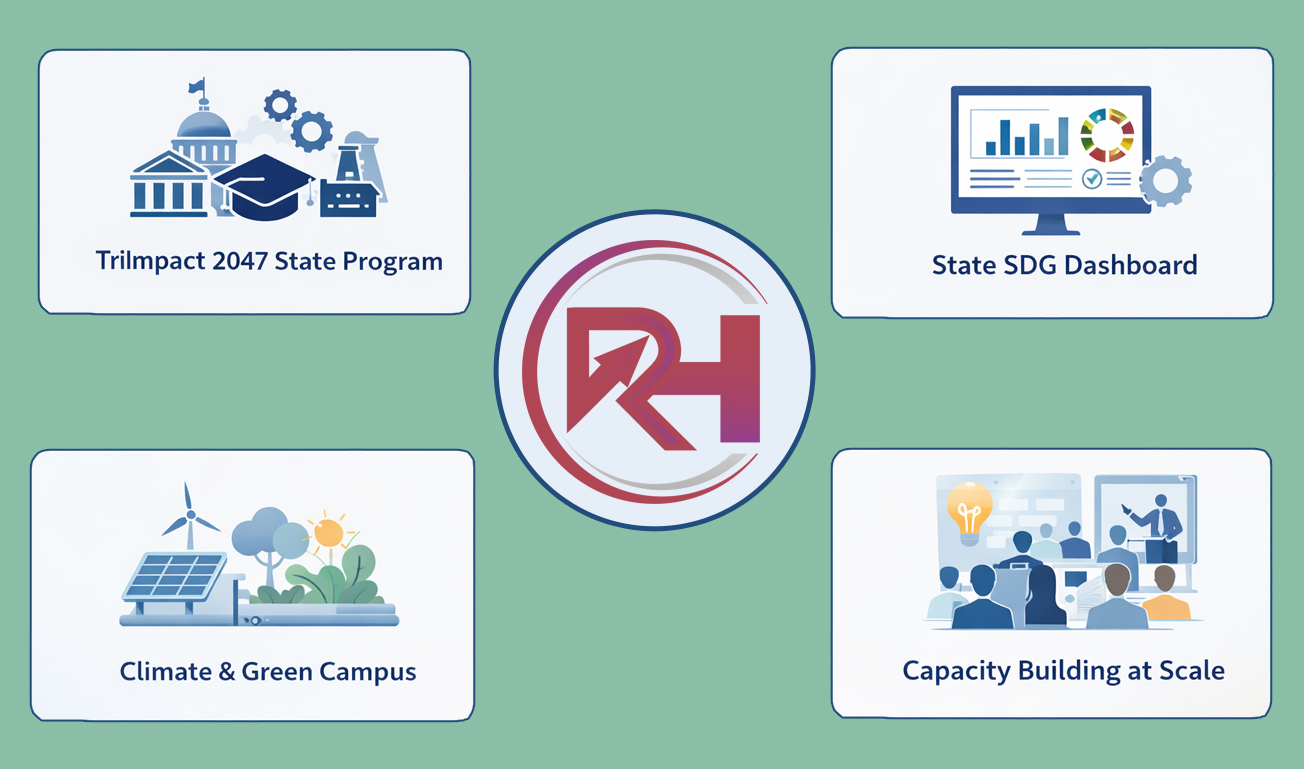
TriImpact 2047 State Program

Government → Academia → Industry model to drive community outcomes.

  • Steering committee & PMU
  • College & district clusters
  • CSR / PSU convergence
Climate & Green Campus

Measured sustainability initiatives with verifiable proof.

  • Energy & water audits
  • Waste-to-resource pilots
  • Carbon reporting
Government Collaboration
State SDG Dashboard

Tracks projects, funds, KPIs and evidence.

  • Real-time tracking
  • Quarterly reviews
  • SDG report cards
Capacity Building at Scale

Training for faculty, students and officials.

  • District workshops
  • Fellowships & SDG clubs
  • Hackathons & innovation
High-impact themes governments typically prioritize

Start with 2–3 SDGs and scale. Cross-cutting themes produce the strongest evidence.

SDG 4 — Quality education & skills
SDG 6 — Water conservation & reuse
SDG 7 — Clean energy & green campus
SDG 9 — Innovation, incubation & industry labs
SDG 12 — Waste management & circular economy
SDG 13 — Climate action & carbon footprint

Government-safe by design Documentation-first Pilot → Scale

Why this model is safe for government adoption

RHF’s operating model is conservative by design — audit-ready by default, scalable across districts, and aligned to existing missions. We focus on execution, not announcements.

  • Supports file movement: notes, approvals, MoUs, circulars
  • Clear roles: Government facilitates, RHF manages, HEIs deliver
  • Evidence packs: photos/GPS, attendance, UCs, outcome KPIs
  • Publishable scorecards for public transparency
Comfort for officers

This framework is built to be approved and reviewed in government systems without forcing departments into experimental risk.

A Clean Governance + Delivery Model That Departments Can Trust

RHF acts as PMU + DRI backbone. Government provides policy facilitation. HEIs deliver last-mile execution. Industry / CSR funds innovation and outcomes.

Government

Policy facilitation, convergence, district coordination, mission alignment.

RHF (PMU + DRI)

Program design, MoUs, dashboards, audits, monitoring, onboarding.

HEIs + CSR

Labs, pilots, village programs, research outputs, CSR investments.

Engagement Steps
1
Define priorities

2–3 SDG themes + districts aligned to department goals.

2
Launch pilots

Select pilot colleges; deploy SDG hubs and quick wins.

3
Institutionalize governance

Steering committee, nodal officers, MoU + PMU framework.

4
Scale with CSR

Bring CSR/PSUs, expand districts, publish scorecards.

What Gets Measured

Village livelihood outcomes

CO₂ / energy / water savings

Research outputs (papers / patents / startups)

Projects launched & completion rate

CSR funds mobilized & utilization

Student & faculty participation

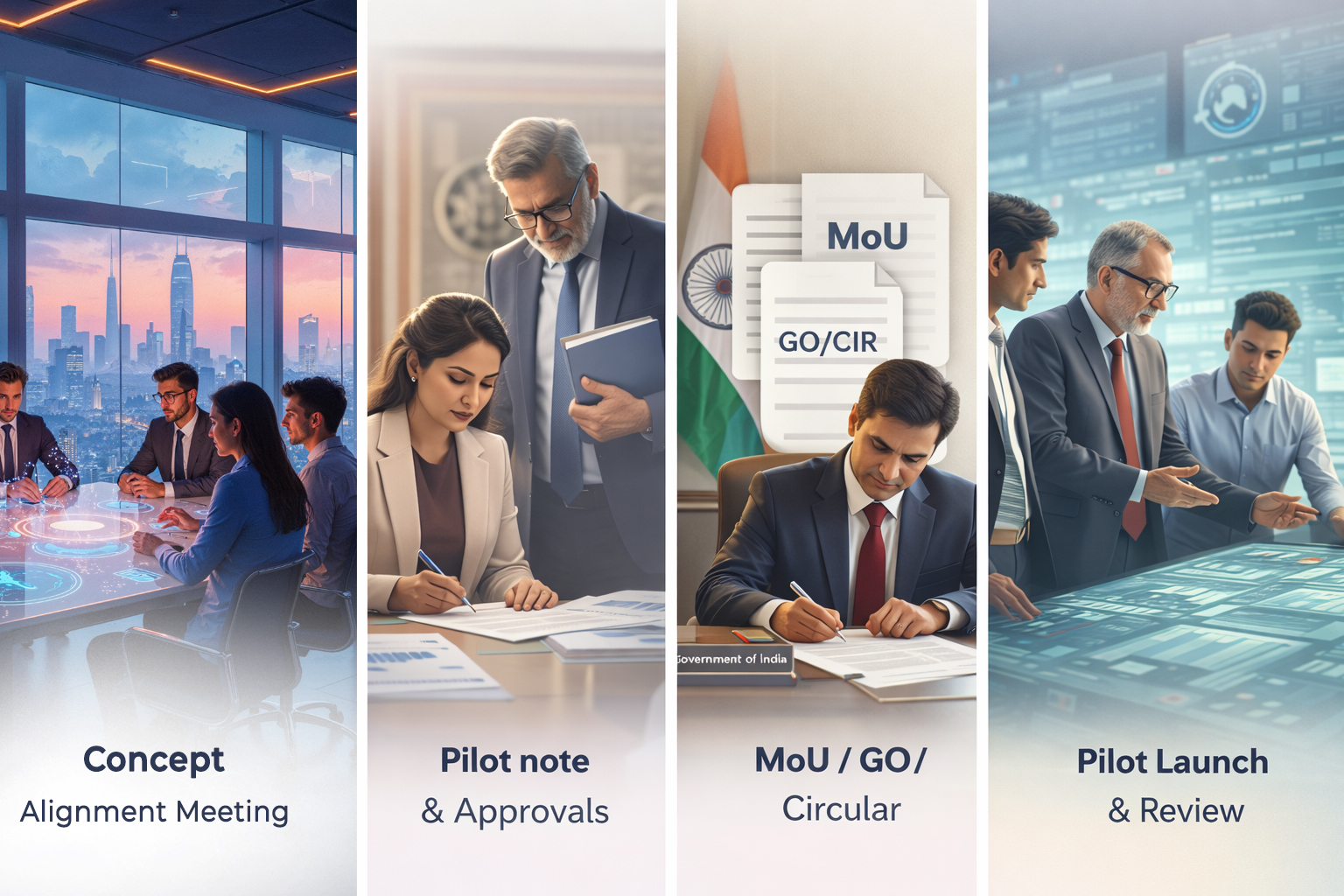
How a government engagement typically moves forward

A simple, safe pathway officers can move on file without ambiguity.

1
Concept alignment meeting

30–45 minute discussion to align priorities, SDGs and pilot scope.

2
Pilot note & approvals

Support for pilot note, concept brief, and internal circulation.

3
MoU / GO / Circular

Drafting support for MoU, GO or departmental circular enabling implementation.

4
Pilot launch & review

90–120 day pilot, dashboard review, decision for scale-up.

Government workflow dashboard

Dashboards, templates, and proof mechanisms

Government programs succeed when evidence is easy to collect and hard to dispute. RHF standardizes the proof layer.

MoU Toolkit
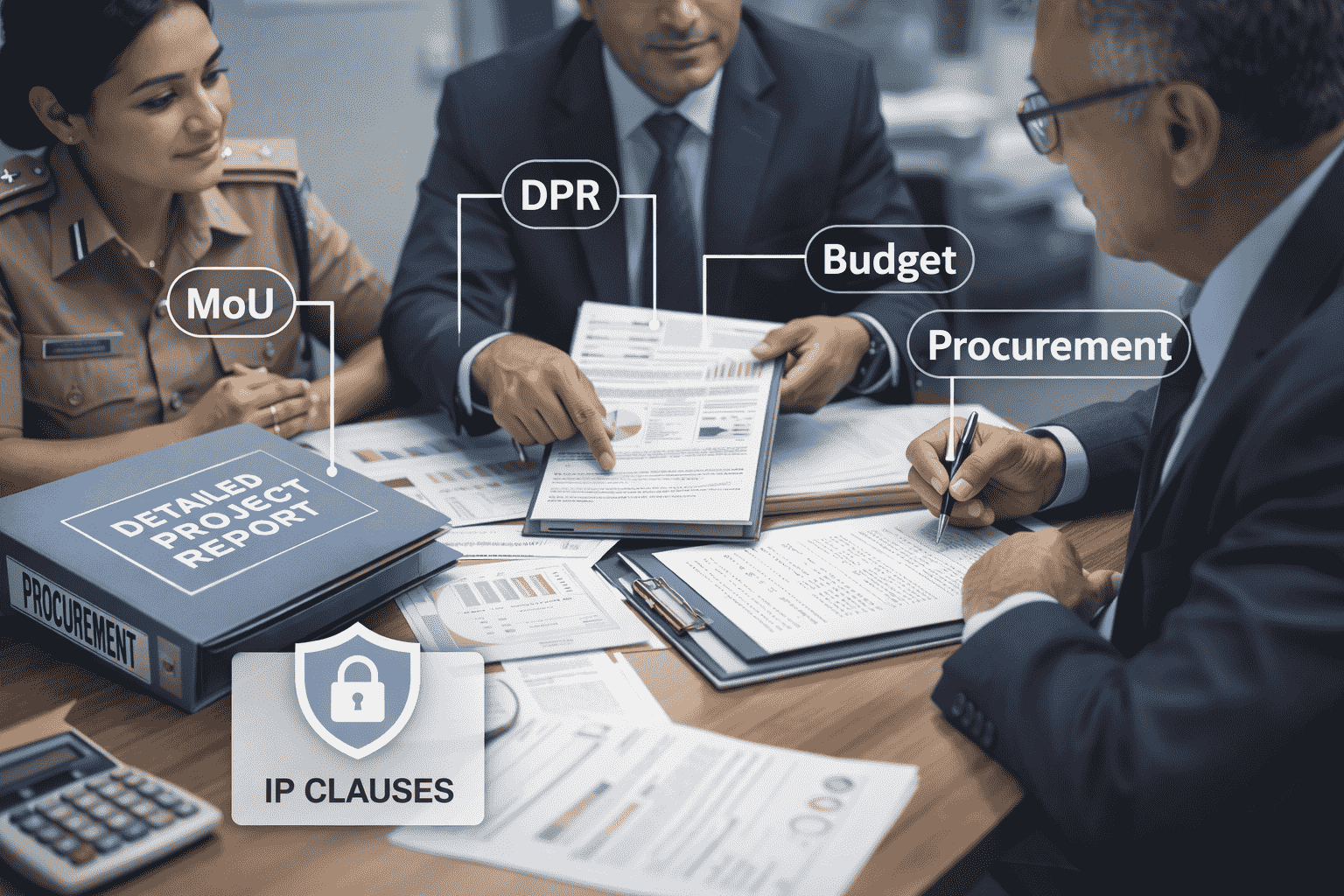
MoU + DPR Toolkit

Tripartite MoU, DPR + budget + procurement, role clarity and IP clauses.

  • MoU templates
  • DPR + budgets
  • Governance & roles
Audit Readiness
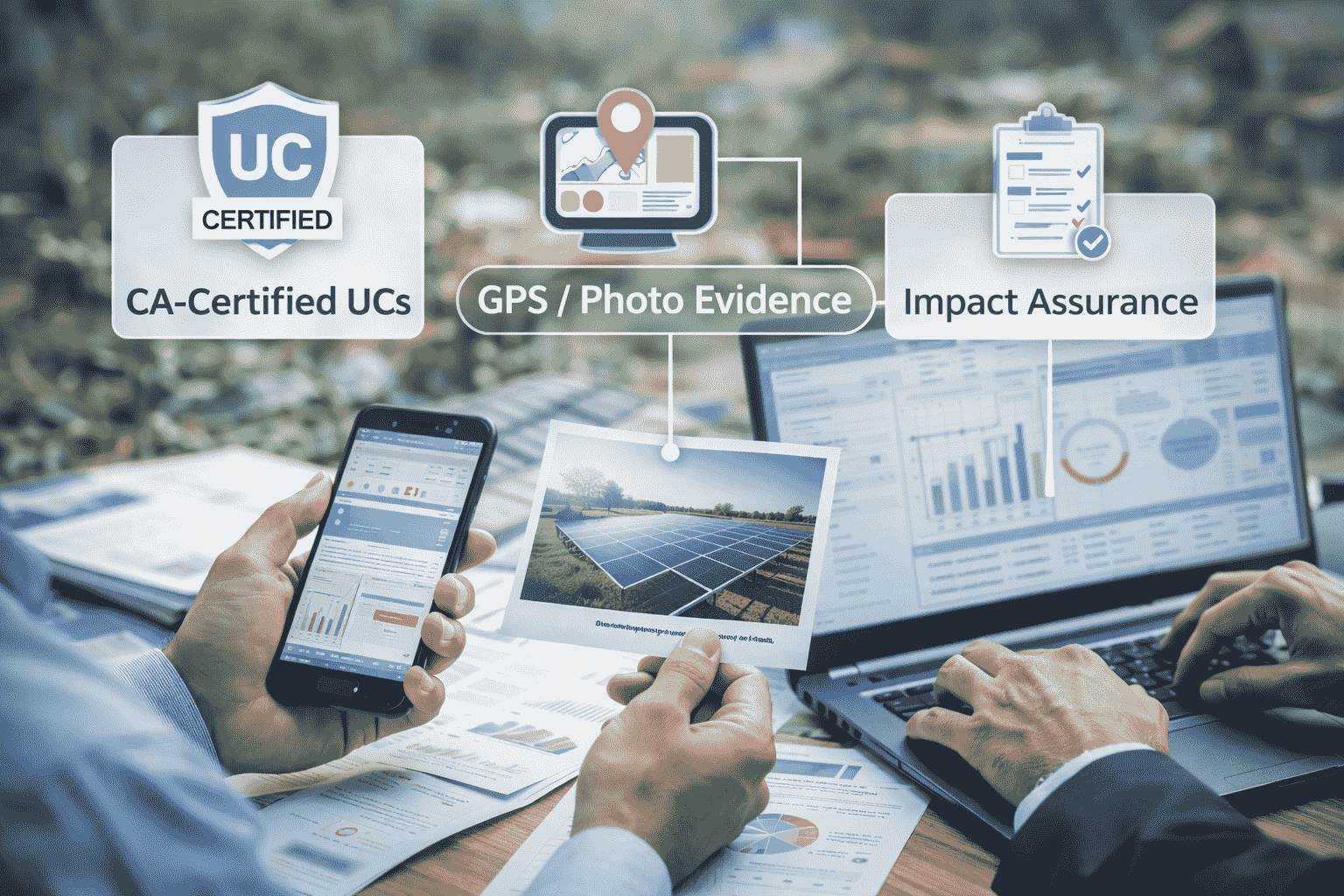
Compliance & Audit Readiness

CA-certified UCs, GPS/photo evidence protocols and impact assurance.

  • UC format & utilization
  • Evidence capture SOP
  • Third-party verification
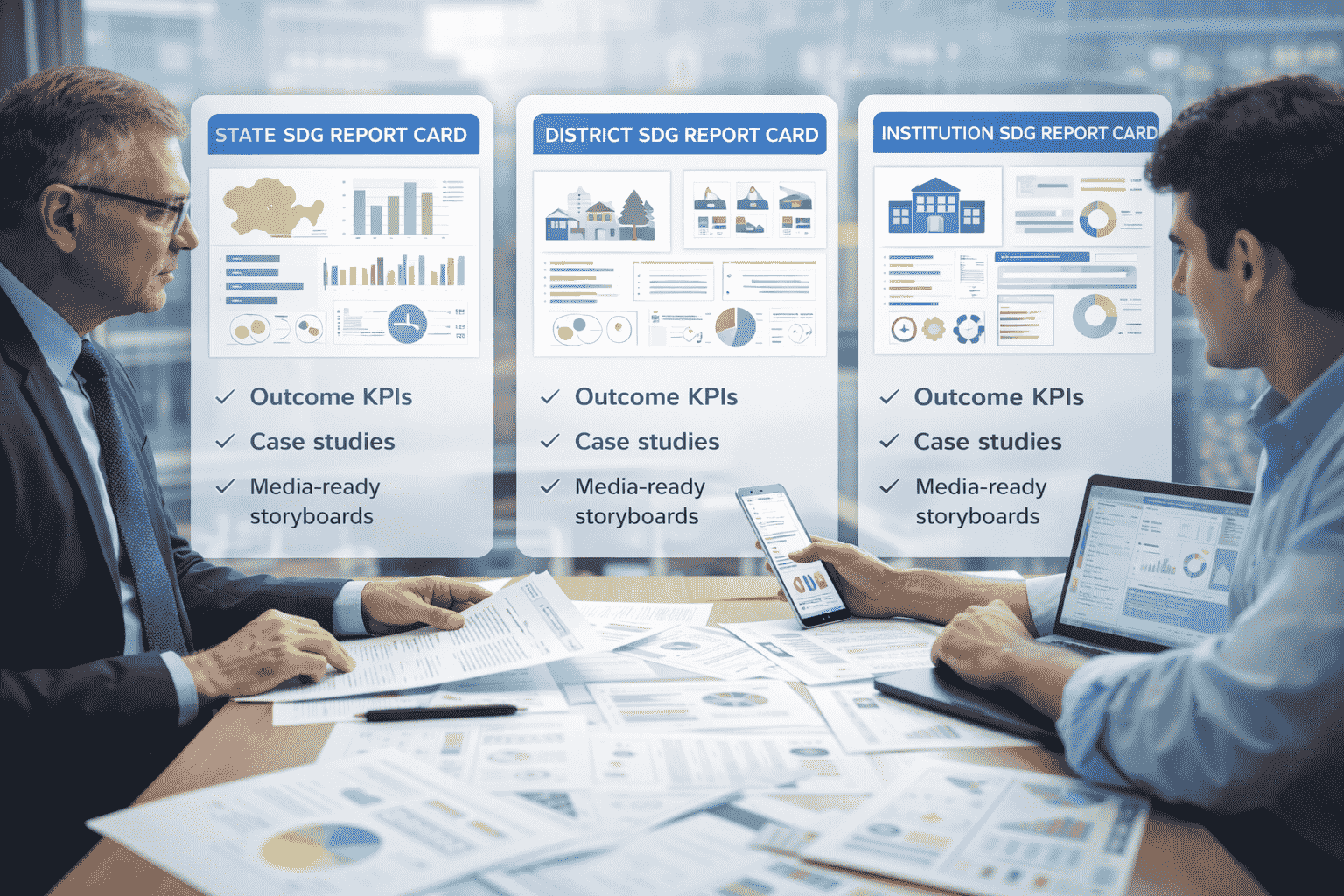
SDG Report Cards
Annual SDG Report Cards

State + district + institution report cards designed for public publishing.

  • Outcome KPIs
  • Case studies
  • Media-ready storyboards

Let’s build a state-to-nation SDG execution model that actually delivers

RHF acts as the neutral Program Management Unit (PMU) + Digital Research Infrastructure (DRI) backbone to mobilize colleges, converge schemess and publish measurable outcomes.

Best-fit departments

  • Higher Education Council / Universities
  • PR&RD / Rural Development
  • Science & Technology / Innovation
  • IT / Digital Governance
  • Renewable Energy / Environment
  • Skill Development / MSME